REVEAL

REsearch and Valorisation of the landscapE and Archaeological heritage of the High Shouf for the protection and deveLopment of the territory

The REVEAL project aims to transform Qalaat el-Hosn into a living cultural, environmental, and socio-economic resource for the local community. Building on the archaeological experience of MeSAP, the project combines archaeological, geoarchaeological, and paleoenvironmental research with heritage protection, professional training, knowledge exchange, and public engagement. Through workshops and seminars, educational activities, guided visits, and the training of local guides, REVEAL promotes greater awareness of the site's cultural and natural value. At the same time, dialogue with local institutions and stakeholders supports the development of sustainable strategies that connect heritage conservation, environmental protection, and responsible tourism, contributing to the long-term development of the territory.

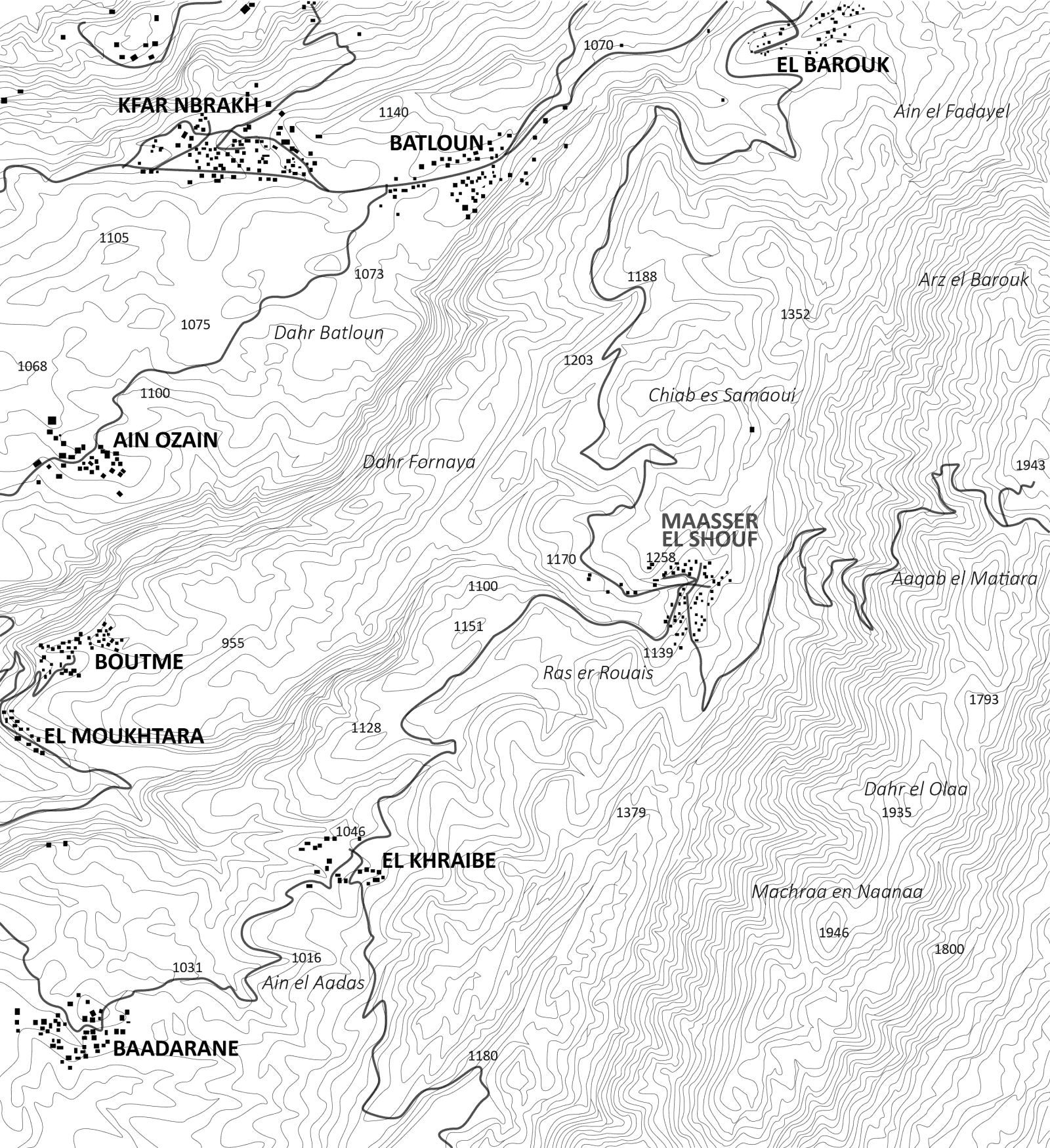
Nestled in the heart of the Lebanese mountains, the village of Maasser el-Shouf preserves a rich cultural landscape shaped by the enduring relationship between people and their natural environment. Archaeological investigations at Qalaat el-Hosn have revealed a complex settlement organised around a monumental Roman temple. Built within the research framework of MeSAP, Maasser el-Shouf Archaeological Project that is carried out since 2018 in collaboration with the Directorate General of Antiquities of Lebanon (DGA), the site has an enormous cultural and natural potential.

A shared heritage

Thanks to the discoveries made so far, Qalaat el-Hosn represents an open book on the history of the Upper Shouf and the inland region. A crossroads of cultures, uses, and influences, the site is mainly structured around an ancient Roman temple, onto which several later structures from the Crusader, Byzantine, and Ottoman periods were added. The complexity and richness of the findings are embedded in the extraordinary natural environment of the High Shouf, offering a unique heritage whose valorisation is a responsibility shared by all.
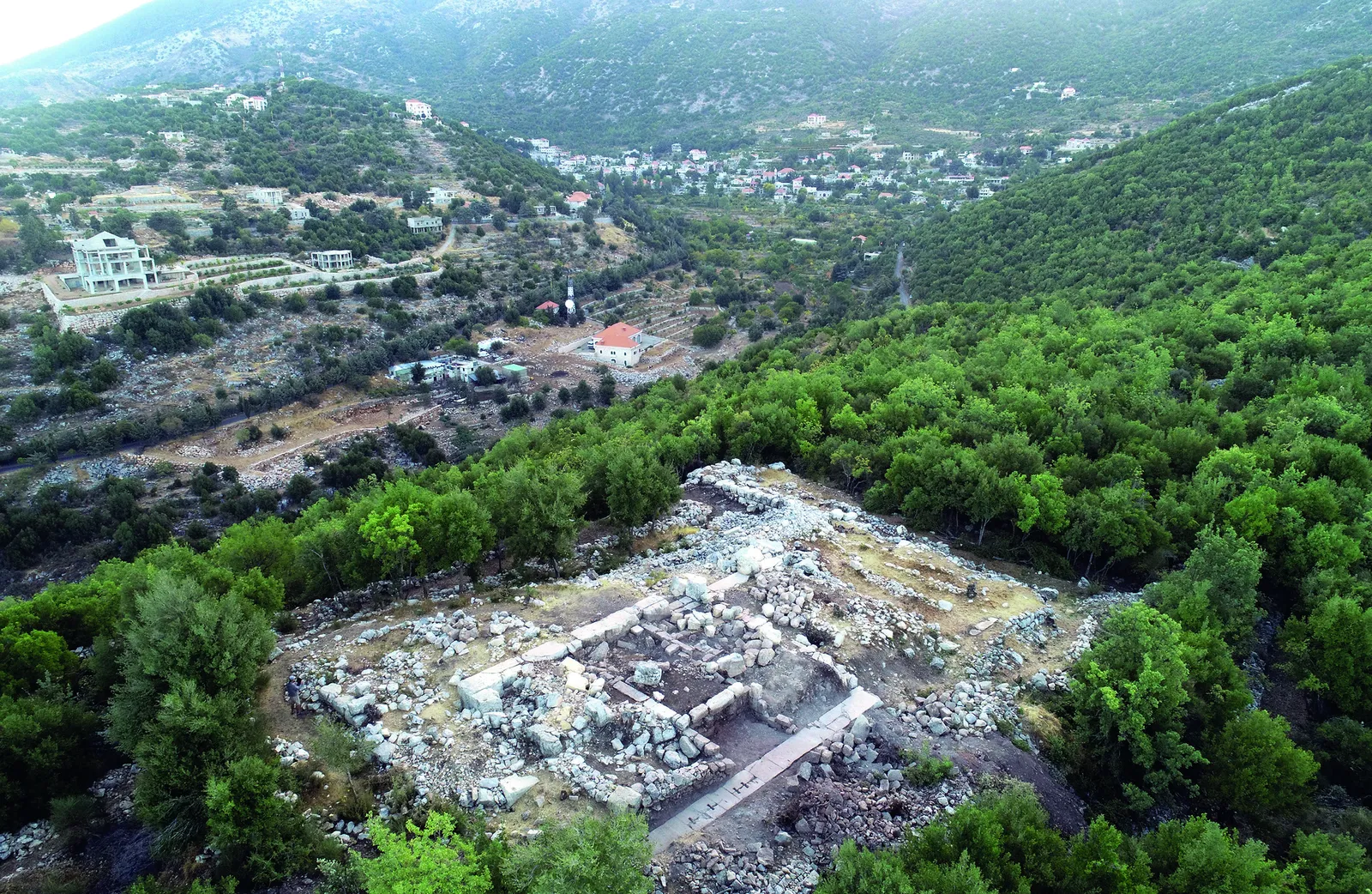
Aerial view of the Qalaat el-Hosn archaeological site in the High Shouf

A multidisciplinary approach

In the project, archaeology, geology, paleoenvironmental and multidisciplinary studies work together to reconstruct the history of ancient settlements and landscapes. The aim is ambitious: to strengthen the role of Qalaat el-Hosn as a site of cultural and natural potential.

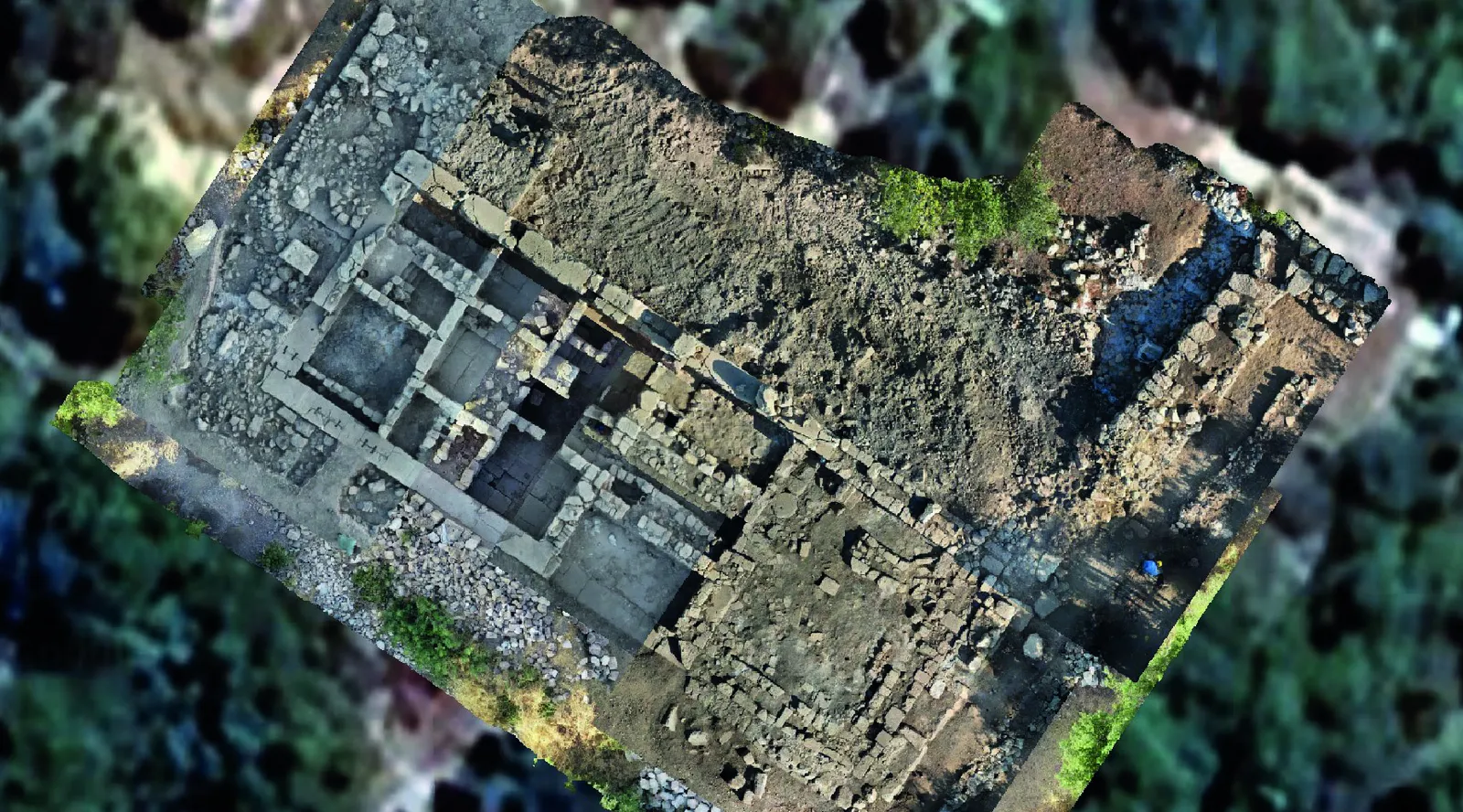
Vertical aerial photograph of the excavation trenches at Qalaat el-Hosn

Knowledge exchange

Thanks to the strong commitment of Insubria University (Italy) and the Lebanese University, advanced training courses, workshops, and bilateral knowledge-sharing activities will empower students and researchers in Lebanon and Italy on new cutting-edge technologies and methodologies.

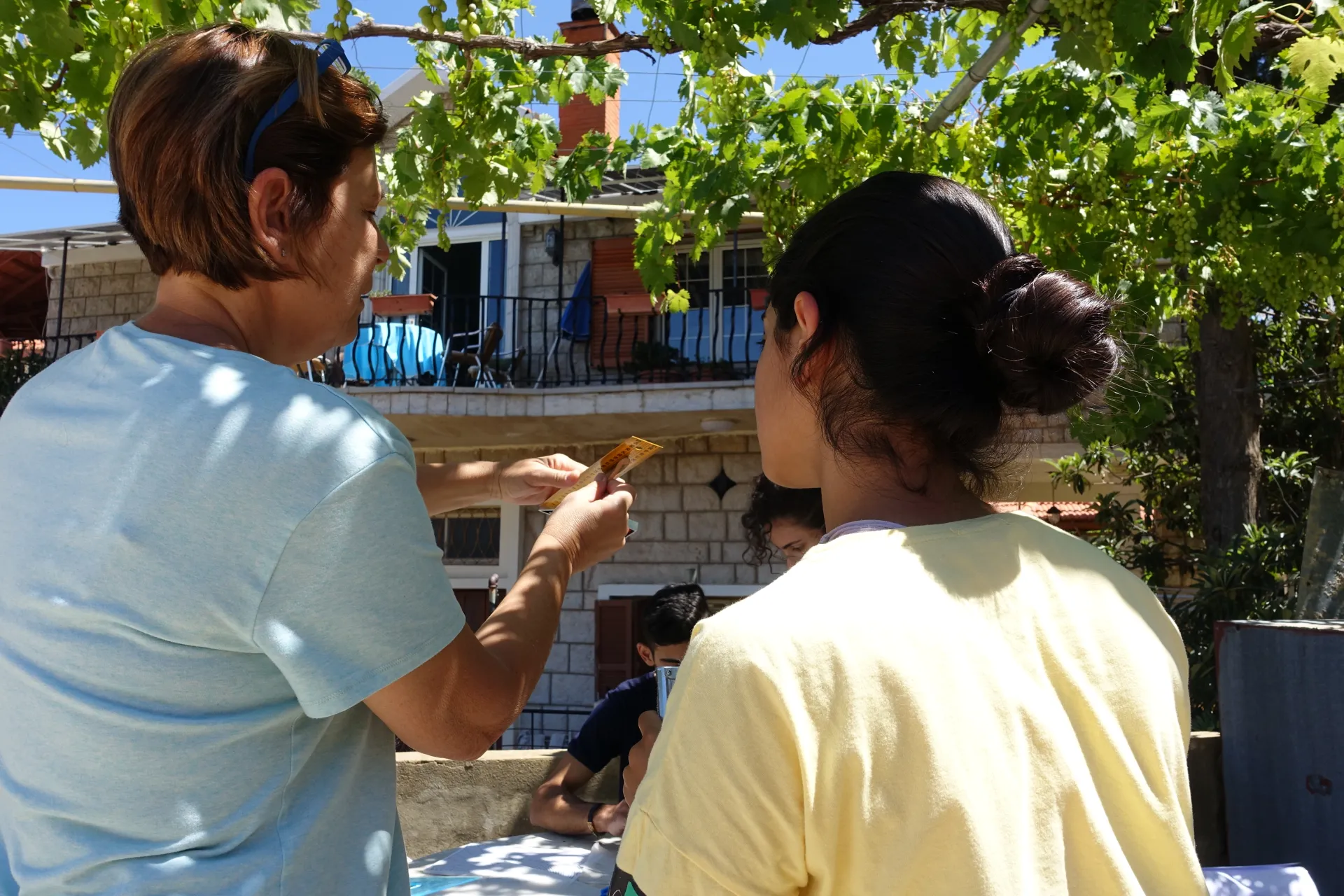
Two students examining a pottery sherd during a MeSAP training activity

Sharing the heritage with the community

Qalaat el-Hosn is more than just an archaeological site; it's a piece of the territory's identity. Through educational activities, guided tours for students and visitors, the training of new local guides, and coordinated dialogue among institutions, the project aims to adopt a participatory approach that actively engages the communities of the Shouf region and encourages their involvement in the preservation of the archaeological heritage.

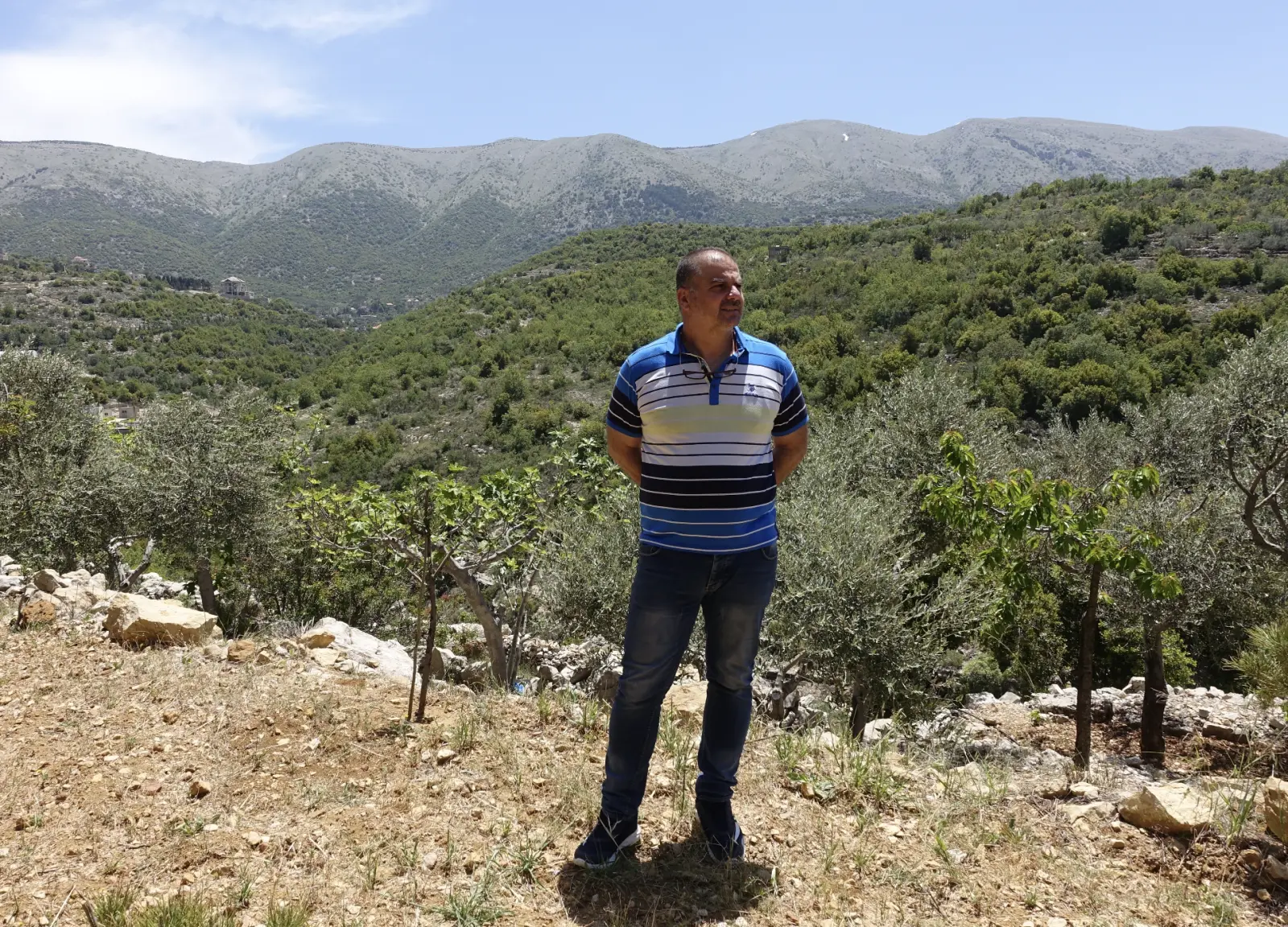
Resident of Maasser el-Shouf among olive trees with the Shouf mountains behind

A page of history and nature soon available to everyone

In order to disseminate the ongoing work, several open days are organised to allow guided visits to the site, accompanied by the Lebanese and Italian teams of experts. At the end of the project, the site is expected to become accessible to the public on a regular basis.

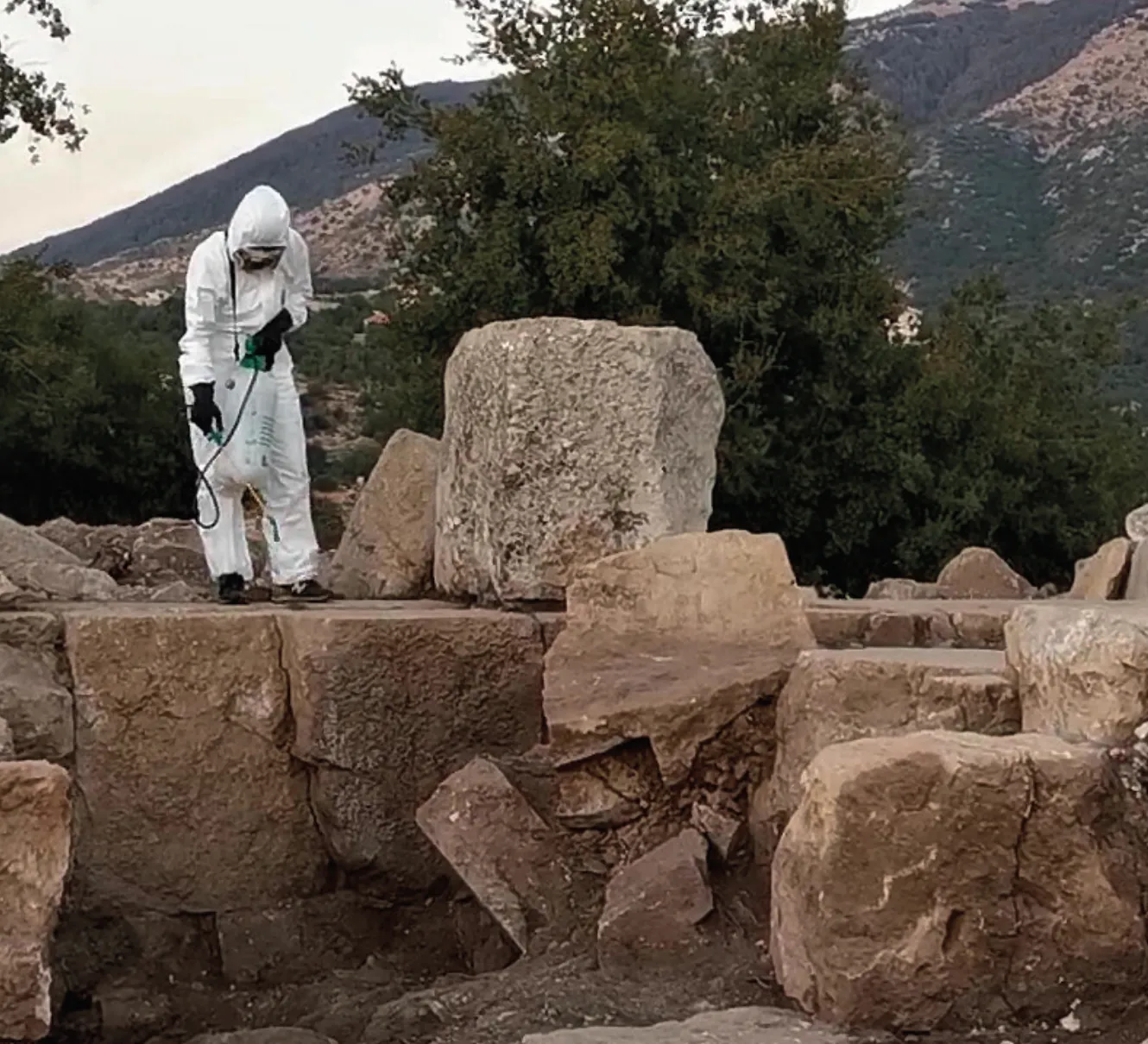
Archaeologist standing on an excavated wall at Qalaat el-Hosn

Territorial Web GIS

Archaeological evidence recorded by the MeSAP survey around Qalaat el-Hosn. Use the layer control to show or hide groups of data and click a marker to read its details.

Territorial Web GIS

Actors involved in REVEAL project

Directorate General of Antiquities of Lebanon (DGA)

The Directorate General of Antiquities of Lebanon (DGA) is the national authority responsible for the protection, management, and enhancement of Lebanon's archaeological heritage. Within the project, the DGA serves as a co-directing institutional partner, providing scientific guidance, contributing to the definition of the archaeological strategy, and ensuring coordination with national heritage policies, regulations, and authorities.

University of Insubria

The University of Insubria (Varese, Italy), as the lead institution of the initiative, is responsible for the archaeological excavations and for coordinating the analysis of the findings, ensuring the integration of the different research components within the project framework. Together with the Lebanese University, it is also responsible for exchanges with Lebanese universities and for the training component aimed at students, focusing on the technical areas of expertise developed within the project.

Istituto Oikos ETS

Istituto Oikos is a non-profit organisation working since 1996 to protect biodiversity and promote sustainable ways of living. Based in Milan, Italy, Oikos operates in Lebanon since 2017. Its strong local presence and experience in environmental protection and community engagement within the project area ensure continuous coordination among the different components of the initiative. The Oikos' role in the project is to integrate archaeology and environmental protection. Alongside excavations, awareness-raising activities will be developed for schools and communities, while supporting collaboration among diverse stakeholders to achieve the best possible outcomes. istituto-oikos.org

ISPC – CNR

The Institute of Heritage Science of the National Research Council of Italy (ISPC–CNR) represents another pillar of the scientific dimension of the project. It is specifically responsible for site mapping through remote sensing techniques and for the elaboration of photographic documentation of the archaeological findings.

Lebanese University (Amber Laboratory and APEL)

Through the Amber Laboratory and the NGO spin-off APEL, the Lebanese University contributes to the project by providing scientific expertise and supporting the academic exchange component. Its involvement strengthens the cooperation between Italian and Lebanese research institutions and contributes to the training and knowledge-sharing activities foreseen within the project.

Al Shouf Cedar Society (ACS)

ACS is the reference NGO responsible for the management of the Shouf Biosphere Reserve, within which the archaeological site is located. Its involvement ensures a strong connection between heritage conservation, environmental protection, and sustainable territorial development, promoting the integration of cultural and natural heritage values.

Farah Social Foundation (FSF)

Farah Social Foundation (FSF) is a Lebanese NGO with extensive experience in community-based initiatives. Within the project, FSF is primarily responsible for the educational activities targeting the communities involved, supporting awareness-raising actions and promoting local engagement in the protection and valorisation of shared heritage.

Funded by Italy
Embassy of Italy in Beirut Italian Agency for Development Cooperation (AICS)
The Lebanese Republic
Lebanese Ministry of Culture — Directorate General of Antiquities

An initiative of
Università degli Studi dell'Insubria
In the framework of
MeSAP — Maasser el-Shouf Archaeological Project
In collaboration with
Municipality of Maasser el Chouf

In partnership with
Istituto Oikos ETS Farah Social Foundation Shouf Biosphere Reserve APEL Consiglio Nazionale delle Ricerche (CNR) ISPC — Istituto di Scienze del Patrimonio Culturale