• HOMEPAGE
  • PROJECTS
  • PUBLICATIONS
  • CONTACT US
  • Italianoالعربية

Projects

MeSAP
Project

Participatory
Archaeology Project

Pottery
Laboratory Project

REVEAL
Project

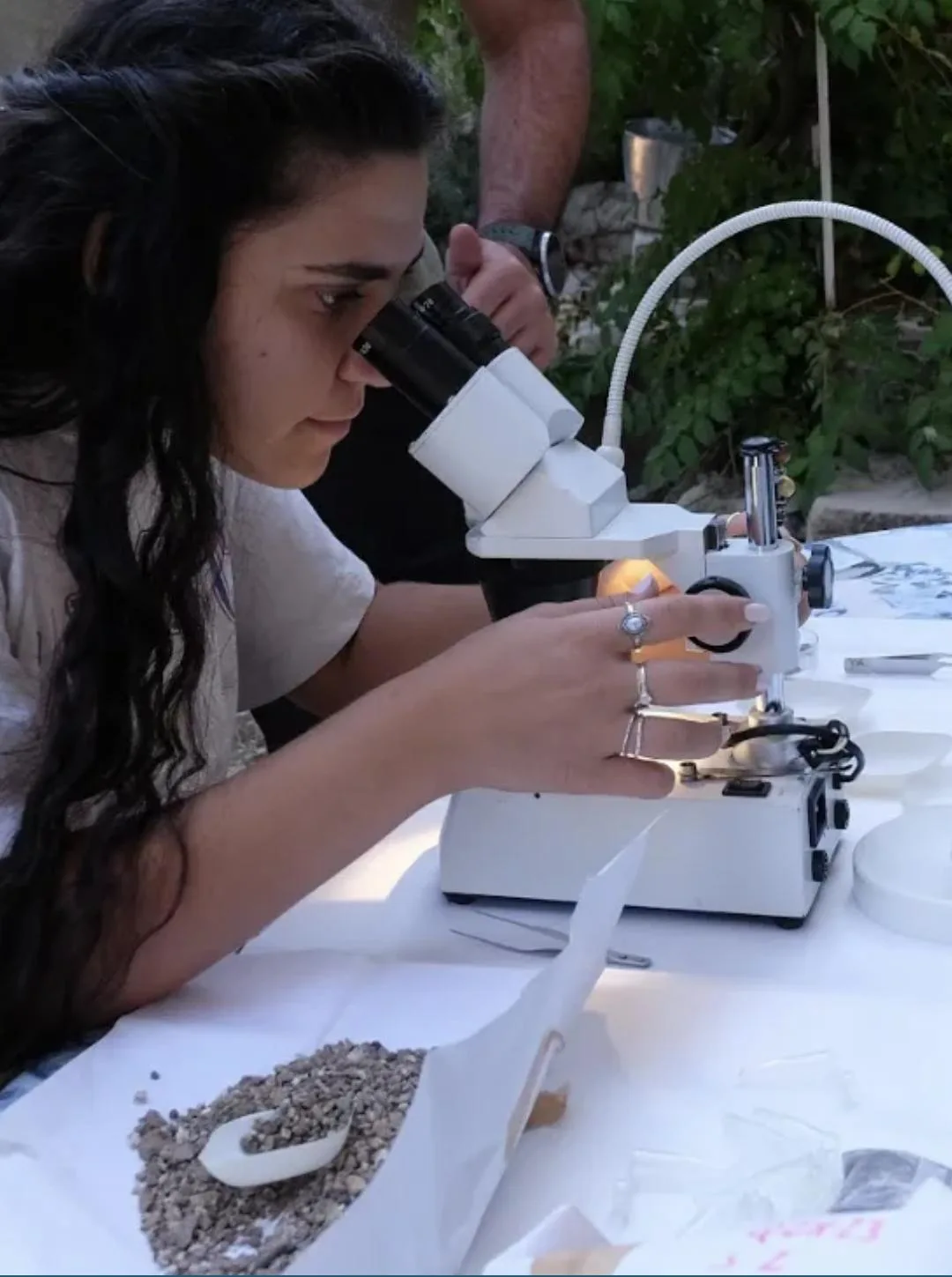
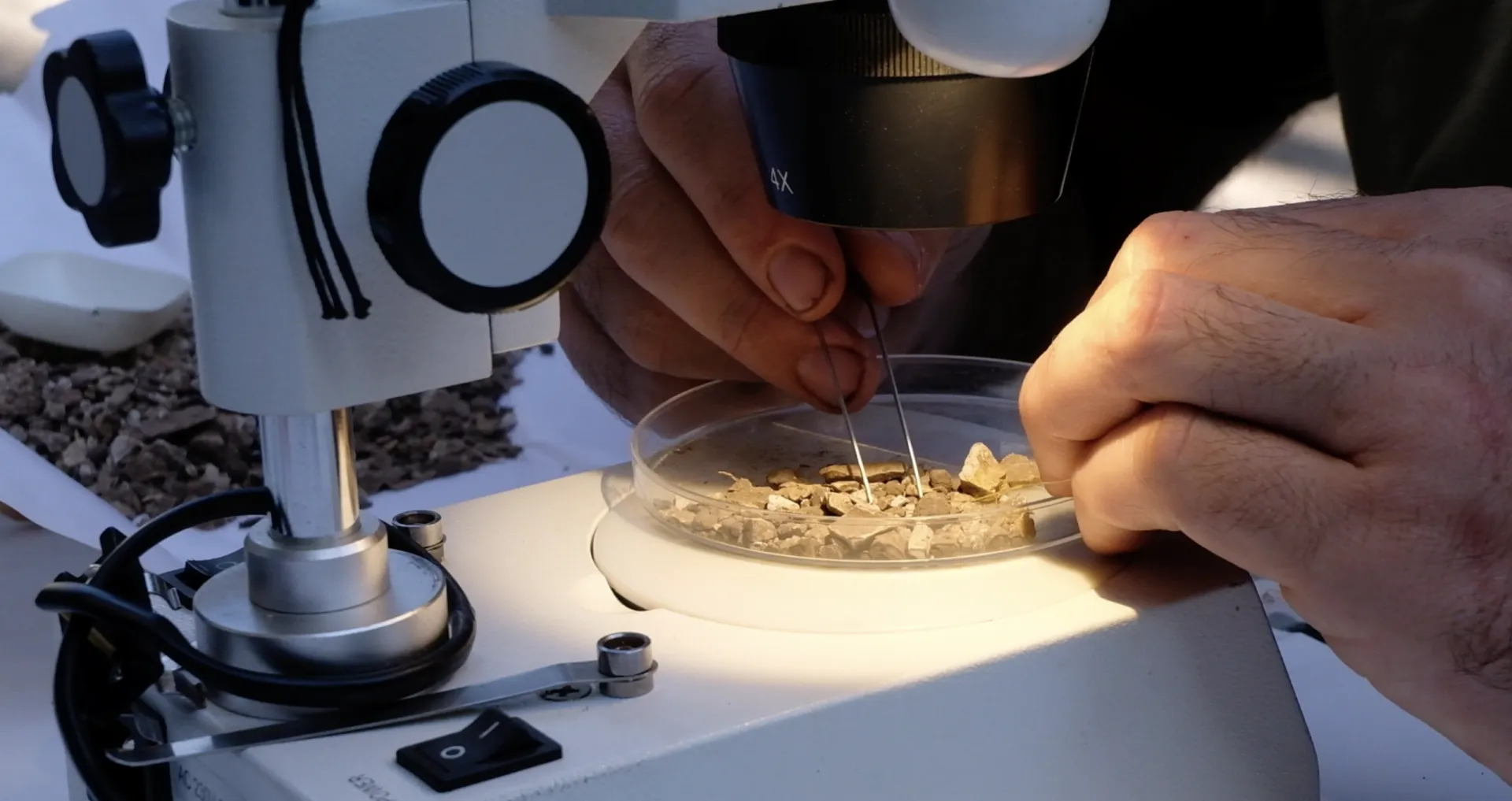
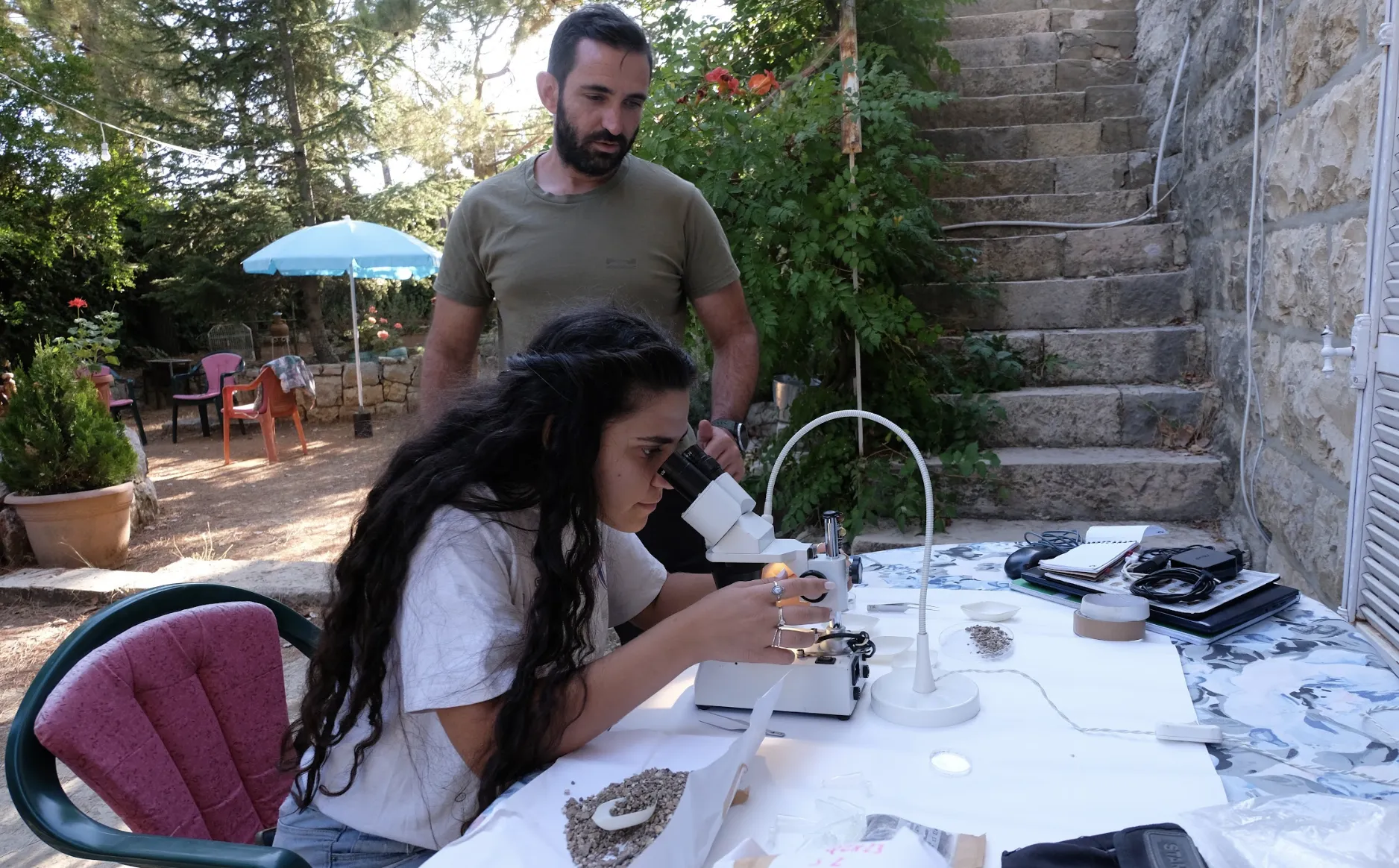
Archaeologist examining archaeobotanical material under a stereomicroscope

Archaeobotanical
Laboratory Project

Research Activities

Archaeobotanical
Activities

Geological
Activities

Paleontological
Activities

Team members recording archaeological finds at a worktable by the arched windows

Pottery
Activities

Restoration
& Maintenance

Anthropological
Activities

Archaeozoological
Activities

Lebanese Ministry of Culture — Directorate General of Antiquities MeSAP — Maasser el-Shouf Archaeological Project Italian Ministry of Foreign Affairs and International Cooperation Embassy of Italy in Beirut Italian Agency for Development Cooperation (AICS) CIRAAS — E. Fiandra ETS

MeSAP Project

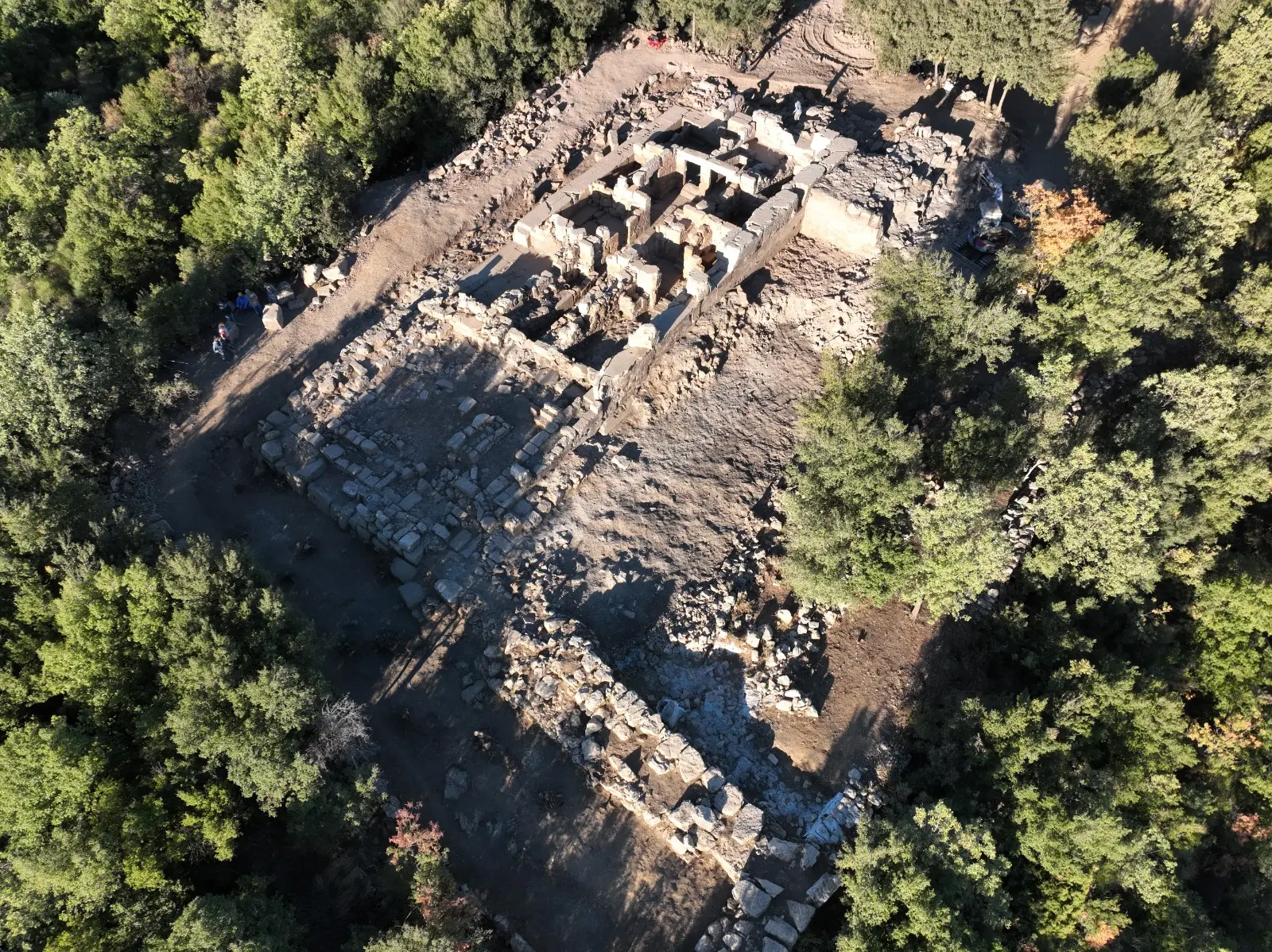
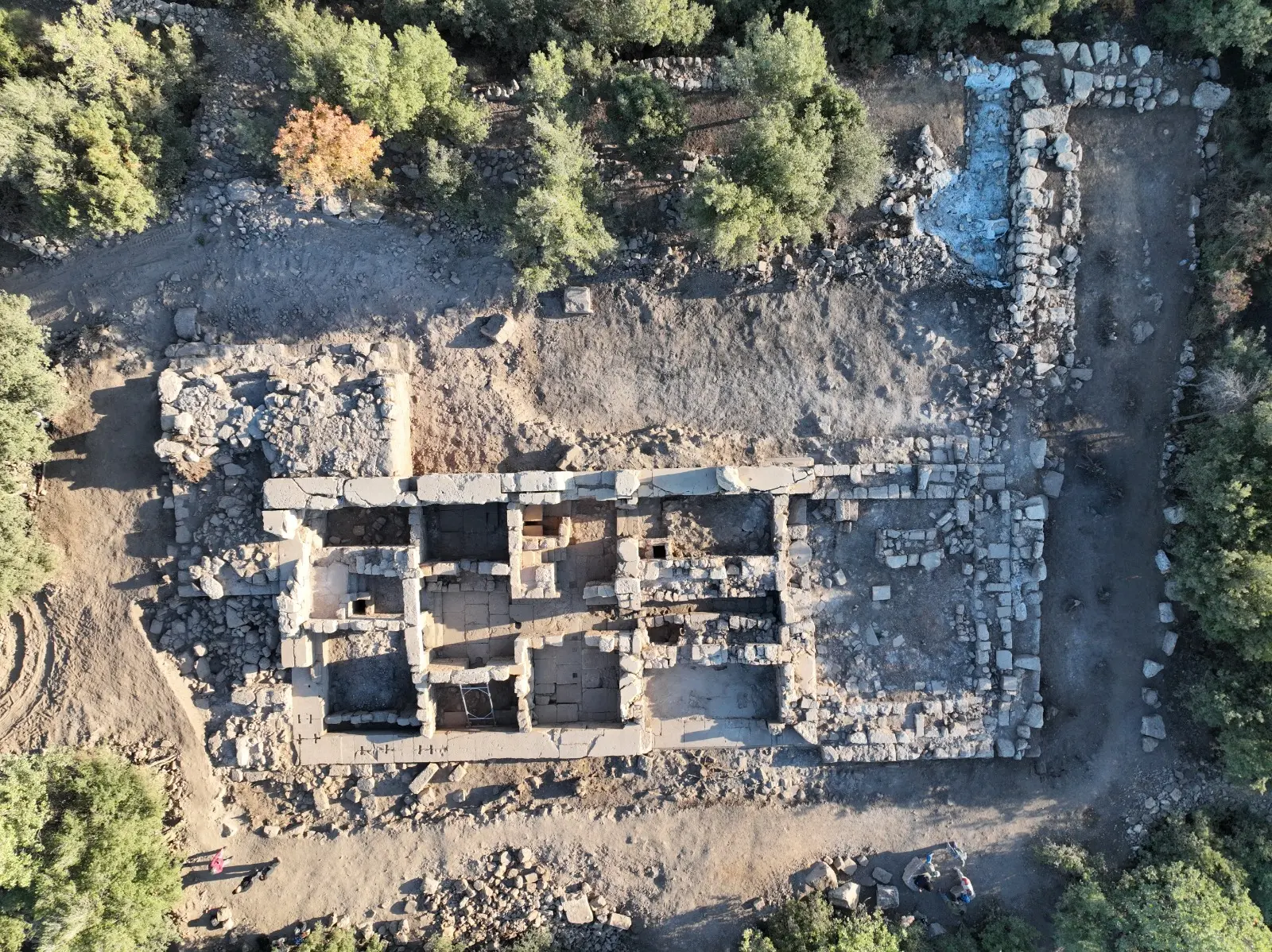
The research project aims, through the archaeological survey of the Maasser el-Shouf territory and the excavation of the Qalaat el-Hosn site, to investigate, with a multidisciplinary approach, the dynamics of climate and landscape change, as well as the phases of transition and occupation of the area between the Beqaa Valley and the Mediterranean coastal strip, spanning from the Bronze Age to the Ottoman period.

The village of Maasser el-Shouf is located south of the largest protected area in Lebanon, the Shouf Cedar Nature Reserve, a site of great cultural, ecological, and touristic value. Due to its distinctive geomorphological and environmental features, the Upper Shouf region holds significant potential for sustainable tourism development, centred on the enhancement of its archaeological and landscape heritage.

One of the key measures for the preservation of the area has been the inclusion of the Qalaat el-Hosn site among the protected heritage assets under the General Directorate of Antiquities. Surface surveys, archaeological mapping, and documentation of findings have proven to be essential tools for optimizing protection strategies in a region that has been relatively underexplored compared to the Lebanese coastal zone.

A crucial aspect of the project is the collaboration with local authorities responsible for heritage protection, aimed at safeguarding, enhancing, and promoting the accessibility of an archaeological landscape of exceptional density and historical significance.

The project is co-financed by the Italian Ministry of Foreign Affairs and International Cooperation and, within the framework of the Participatory Archaeology program, co-financed by the Italian Cultural Institute in Beirut.
Participatory Archaeology Project

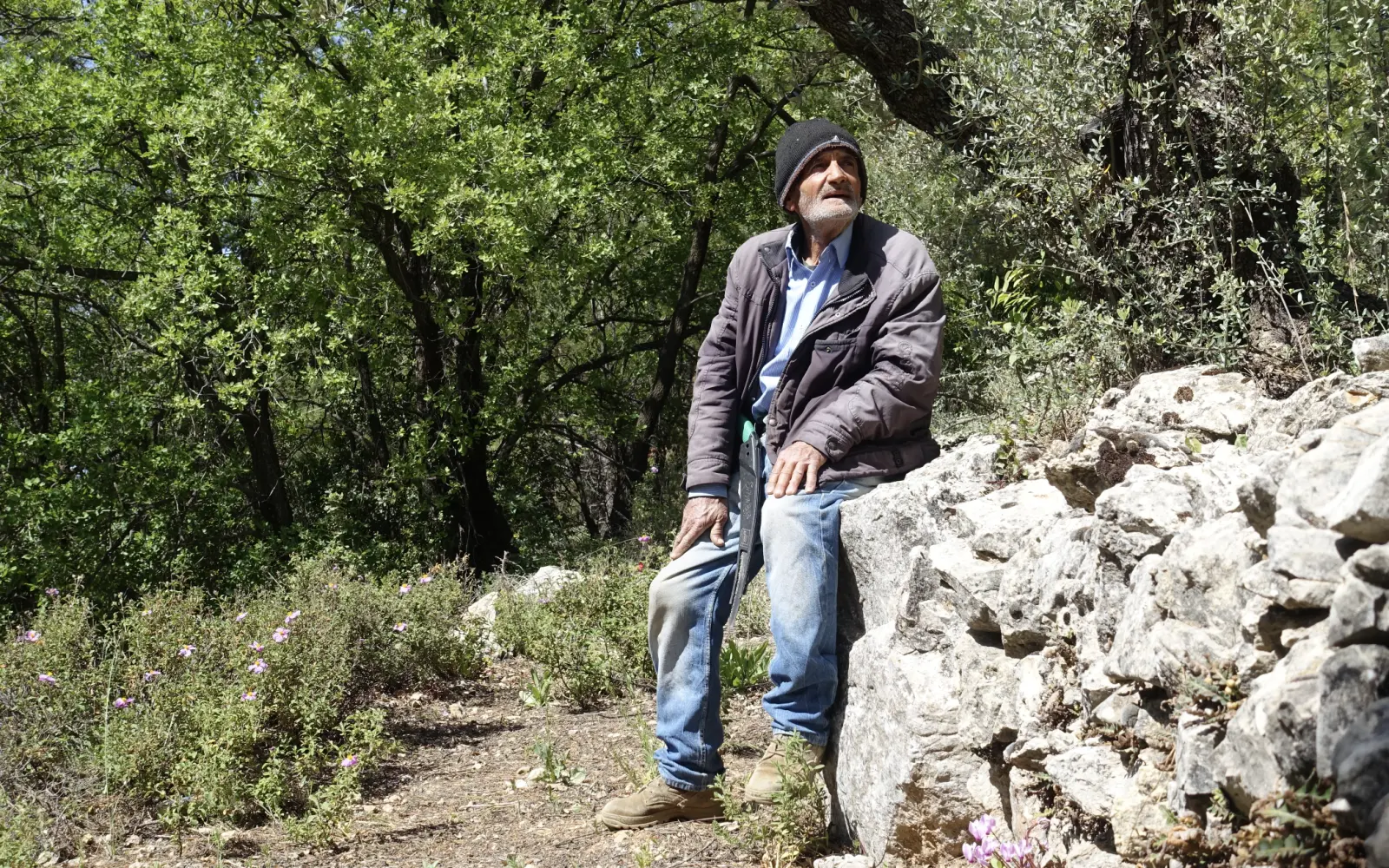
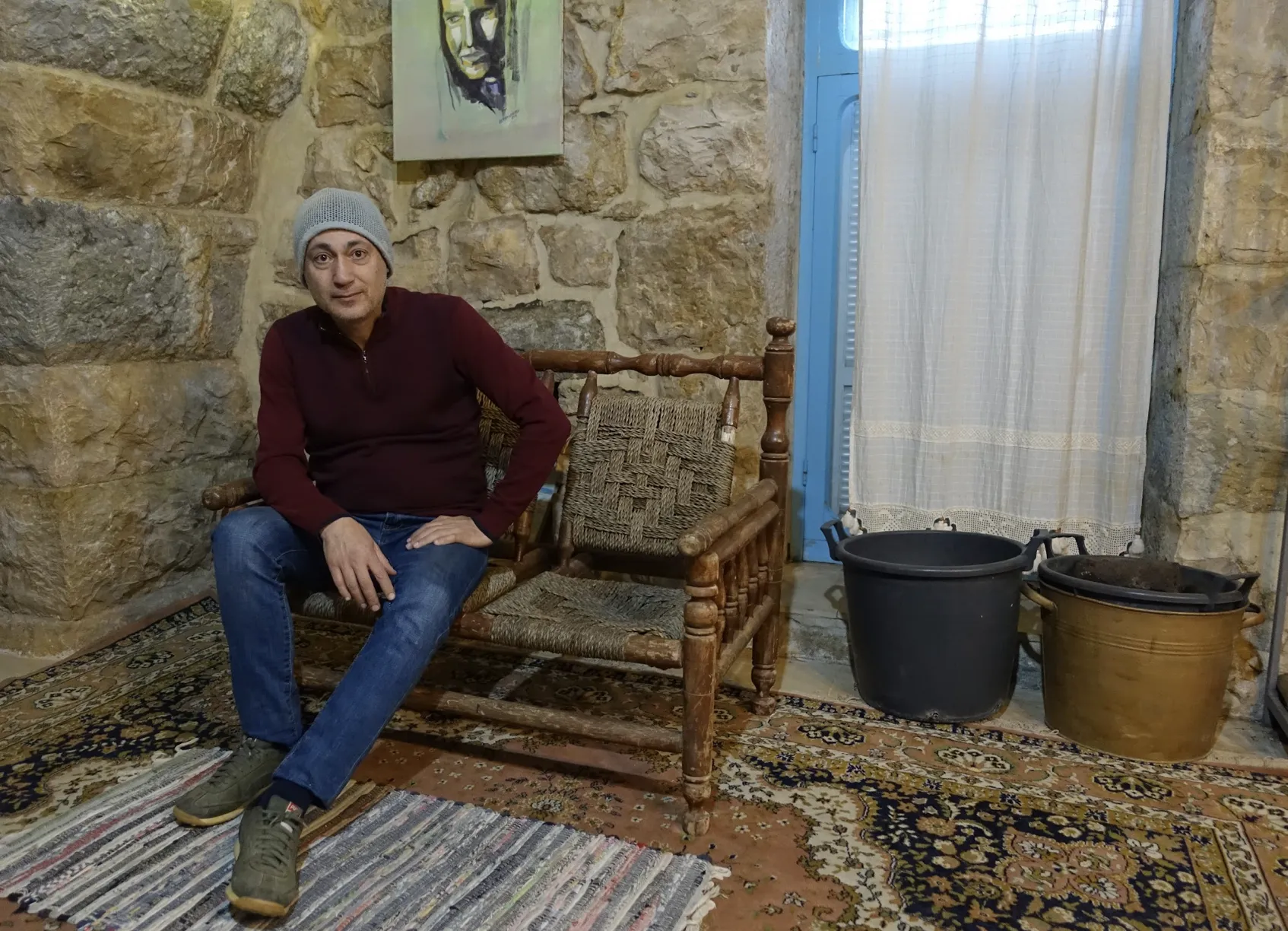
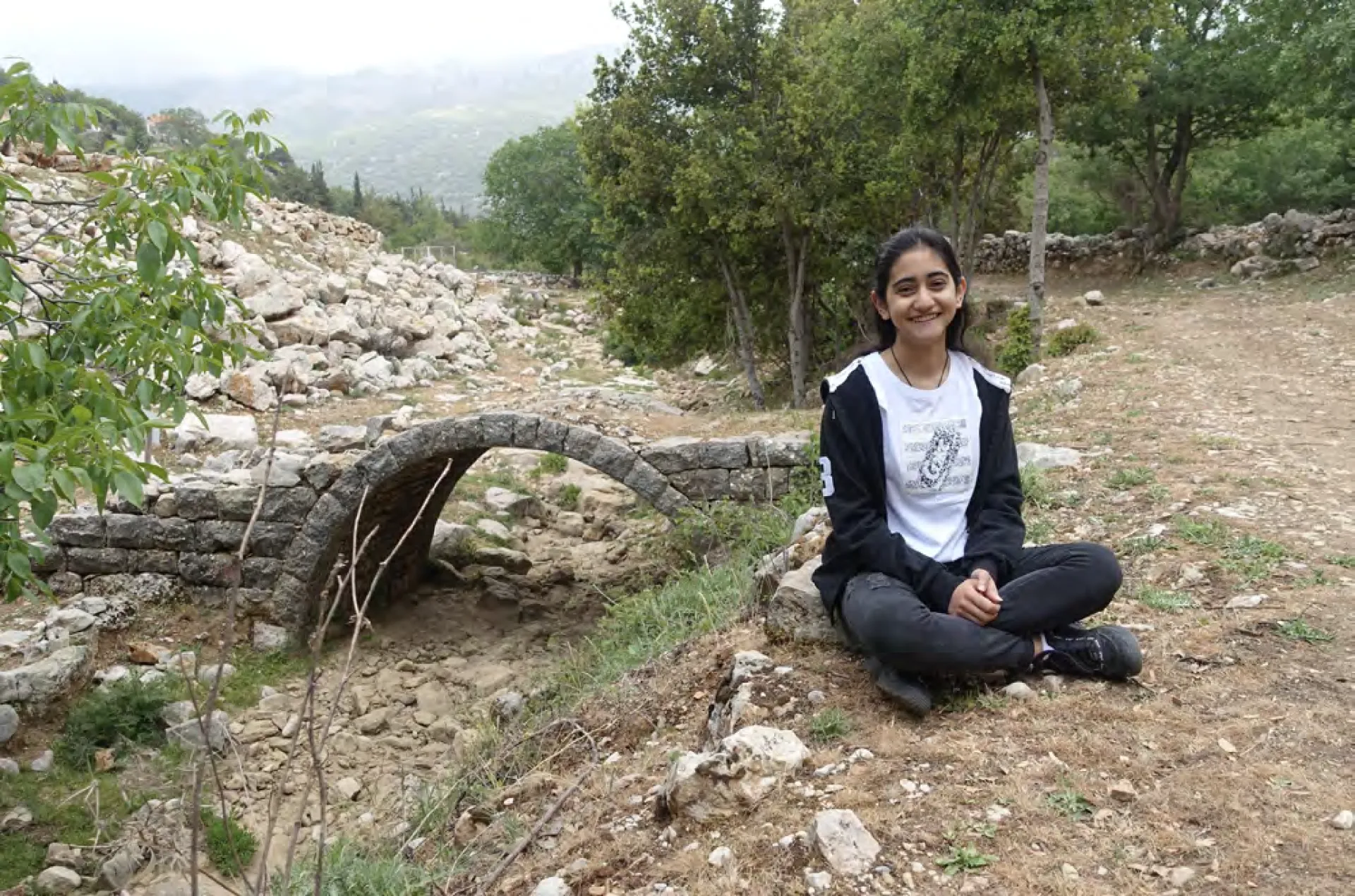
The objective of the "Participatory Archaeology in Maasser el-Shouf" project is to narrate the relationship that has developed and strengthened between the village community and the ar chaeological team. The project has resulted in the production of short video documentaries ex ploring how the perception of local cultural heritage has changed following the archaeological mission's work. Additionally, villagers, volunteers, and workers who collaborated with the mis sion during the archaeological campaigns discuss their perceptions, interactions, and integra tion with the archaeological team. The birth and evolution of this relationship will be explored through the direct voices of Maasser's residents themselves, as captured in interviews, photo graphs, and video footage.

Pottery Laboratory Project

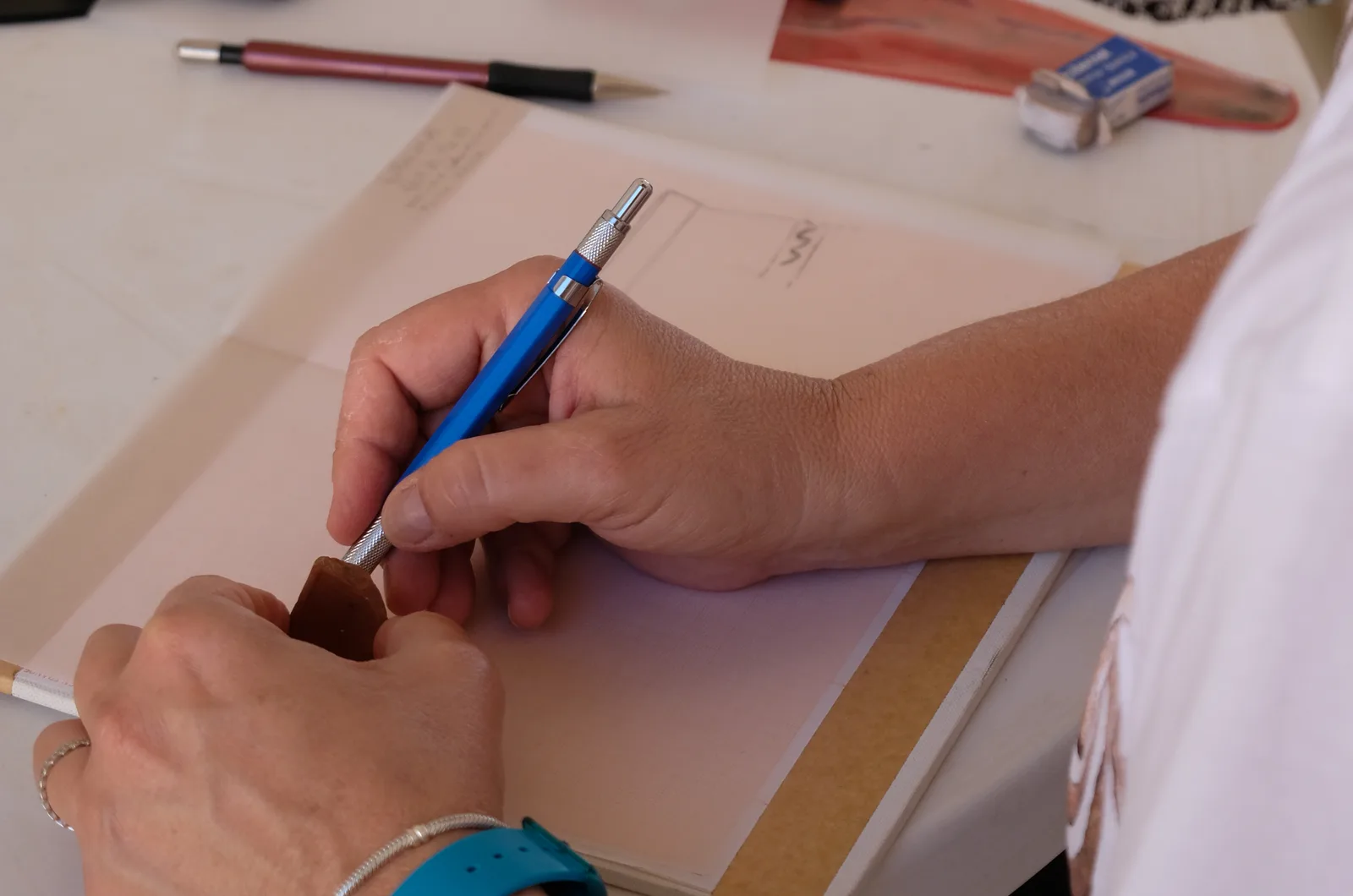
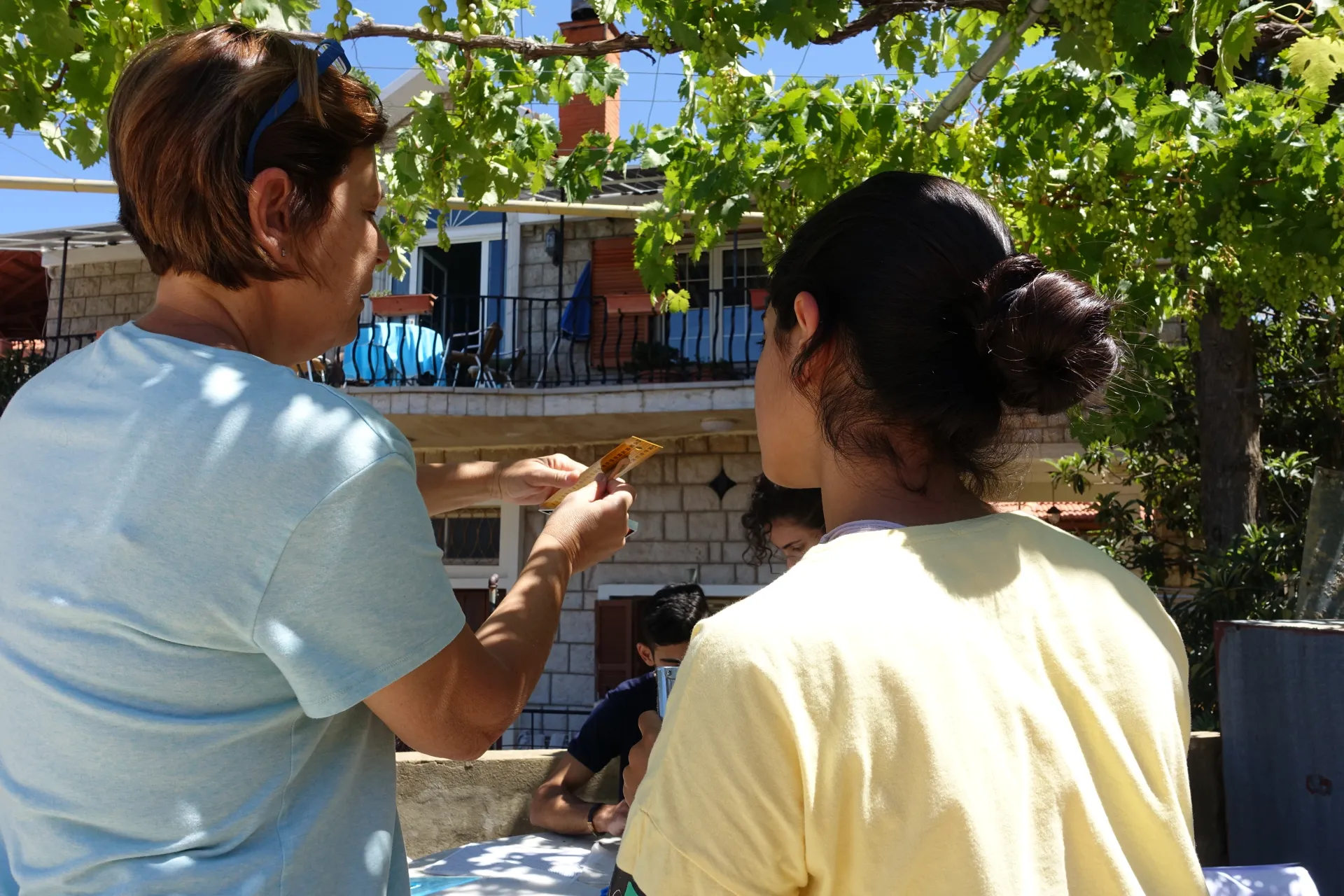
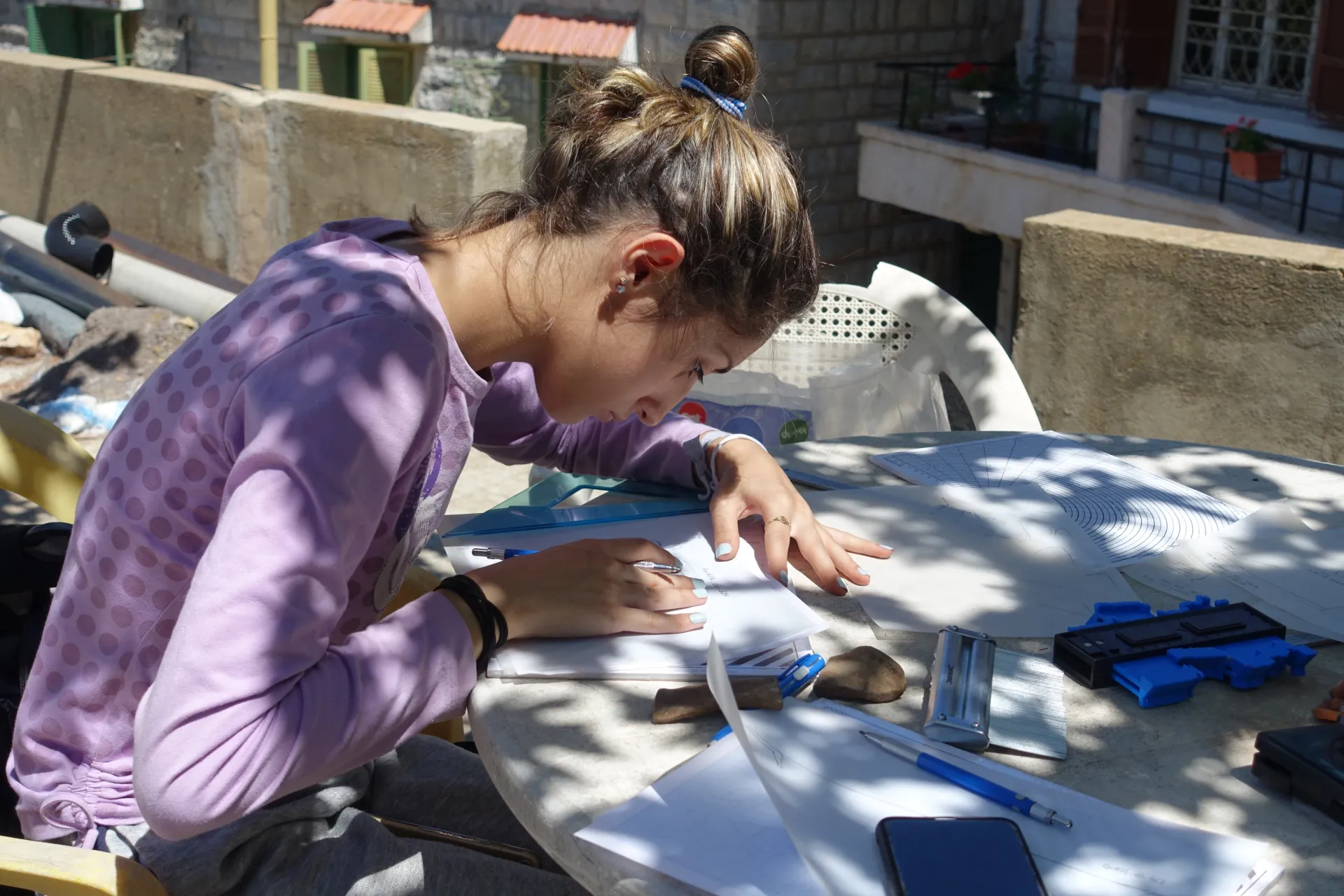
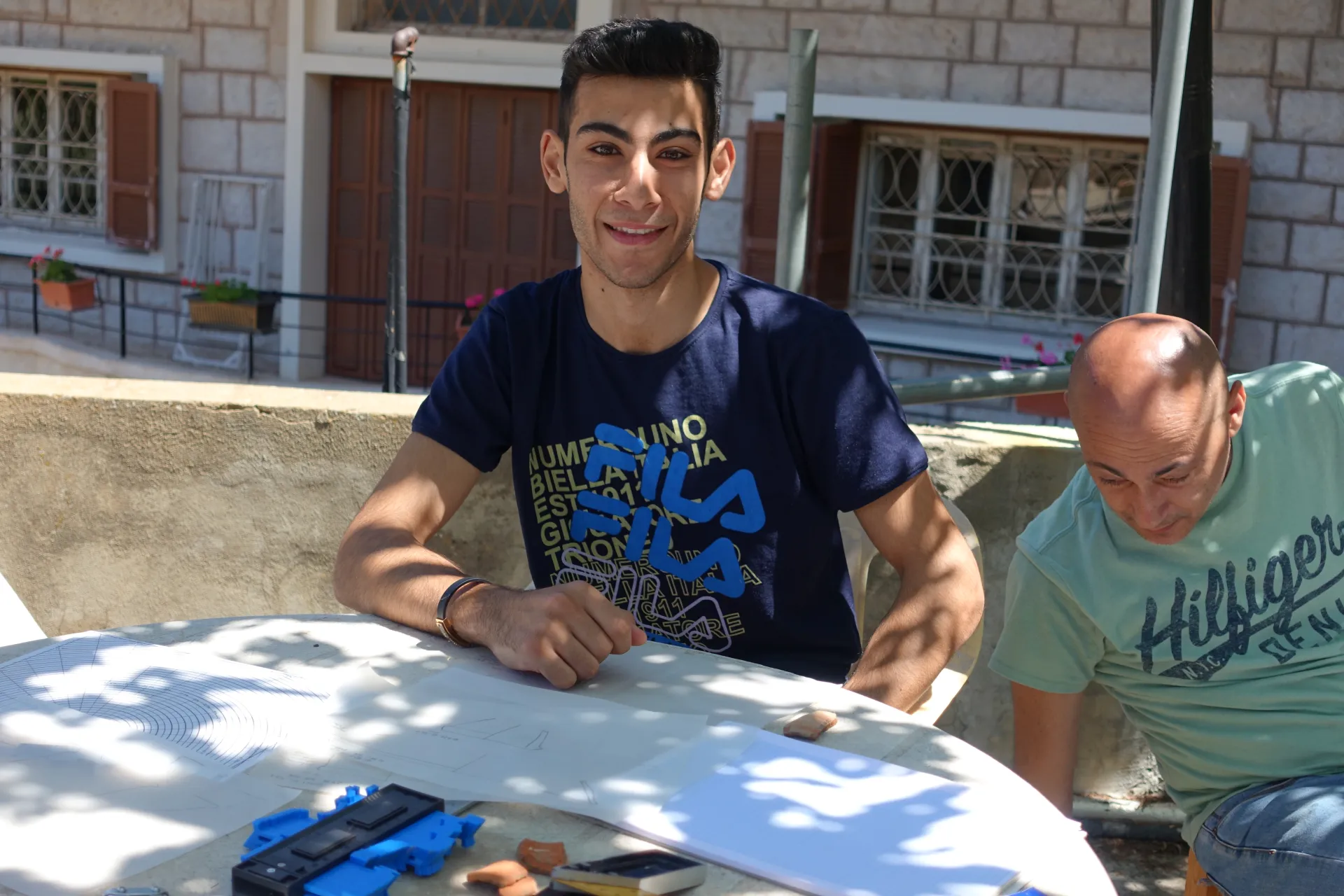
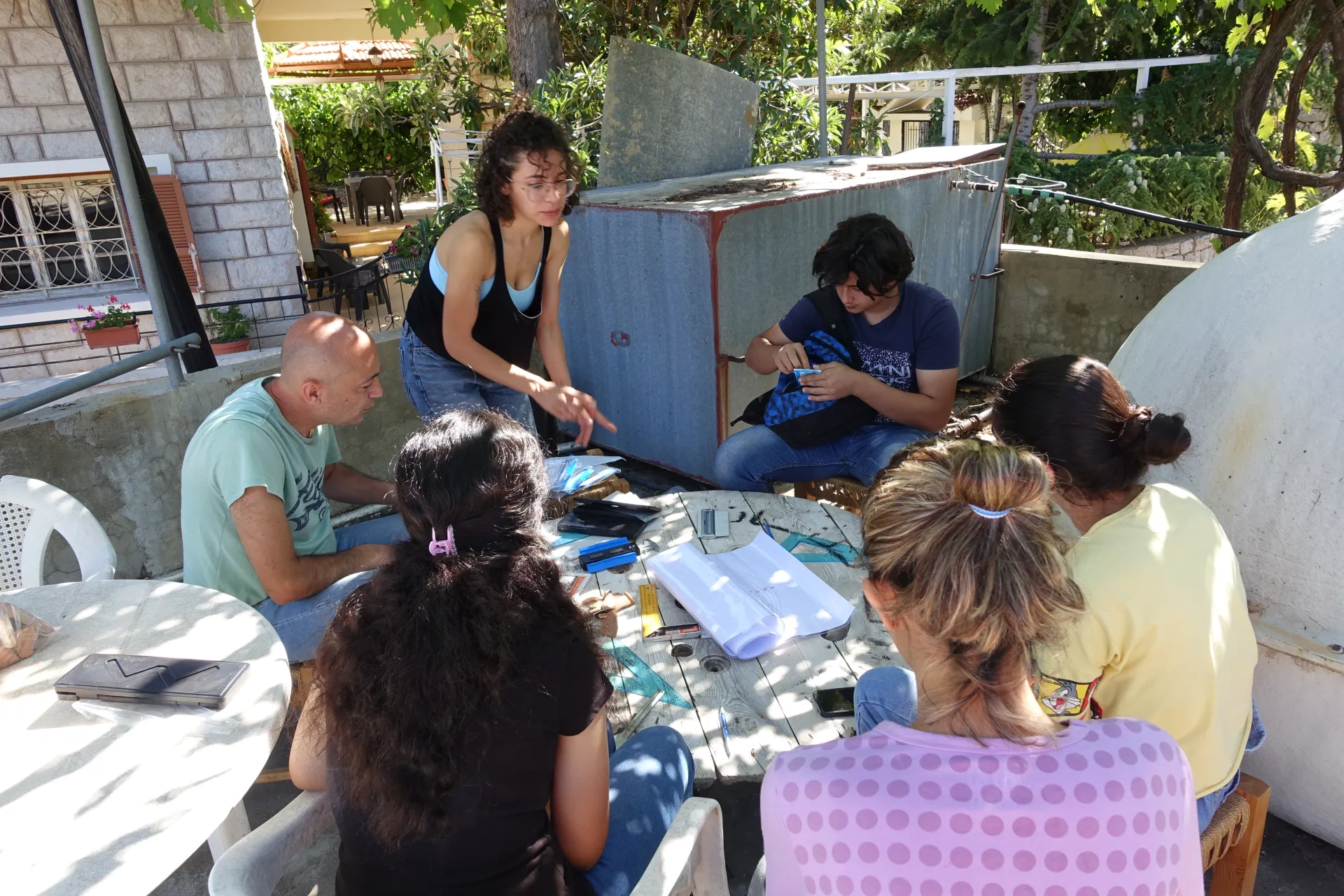
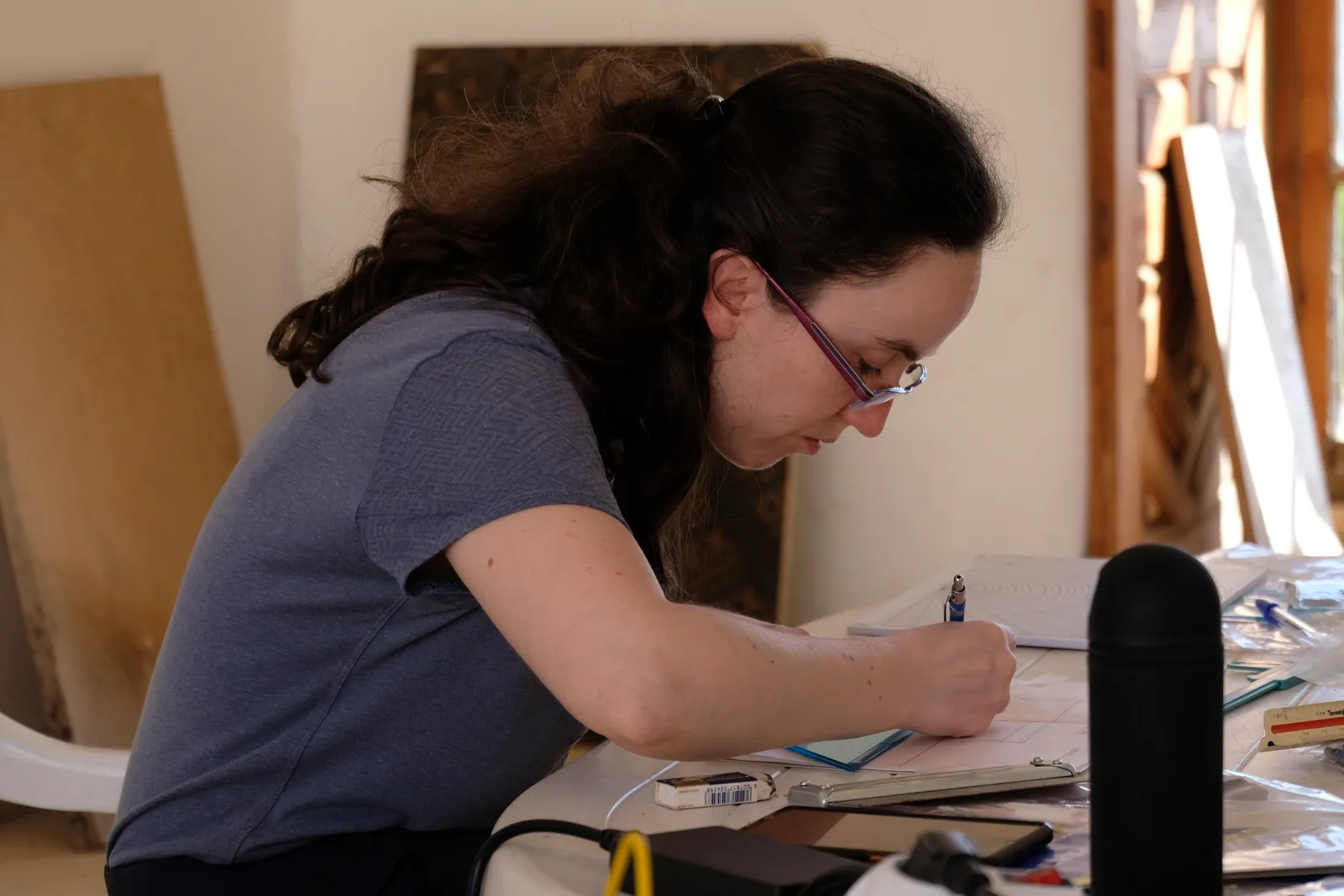
During the various excavation campaigns, students participating in the ceramics workshop had the opportunity to directly engage with excavated materials, particularly ceramics, the quintessential "guide fossil" of archaeology. Students will also engage in archaeological drawing, familiarising themselves with the main techniques and tools used.

REVEAL Project

REVEAL - REsearch and Valorization of the landscape and Archaeological heritage of the High-Shouf as an asset for the protection and deveLopment of the territory.

In alignment with the programs of AICS-Beirut and building upon previous initiatives implemented in the area, the REVEAL project is primarily based on the MeSAP archaeological project. Launched in 2018 in the Municipality of Maasser el-Shouf (Mount Lebanon), MeSAP aims to explore and safeguard the archaeological remains located in the area of Qalaat el-Hosn. The project originated from a collaboration between the Scientific Director of the archaeological project, the Directorate General of Antiquities of Lebanon (DGA), the Lebanese University, and the former mayor of Maasser el-Shouf.

REVEAL thus represents an opportunity to continue and strengthen the work initiated by MeSAP. It seeks to promote multidisciplinary scientific research on the archaeological site, enhance the capacities of local experts, and foster a participatory approach among the local community for the protection of both the archaeological and broader cultural heritage of the region.

Archaeobotanical Activities

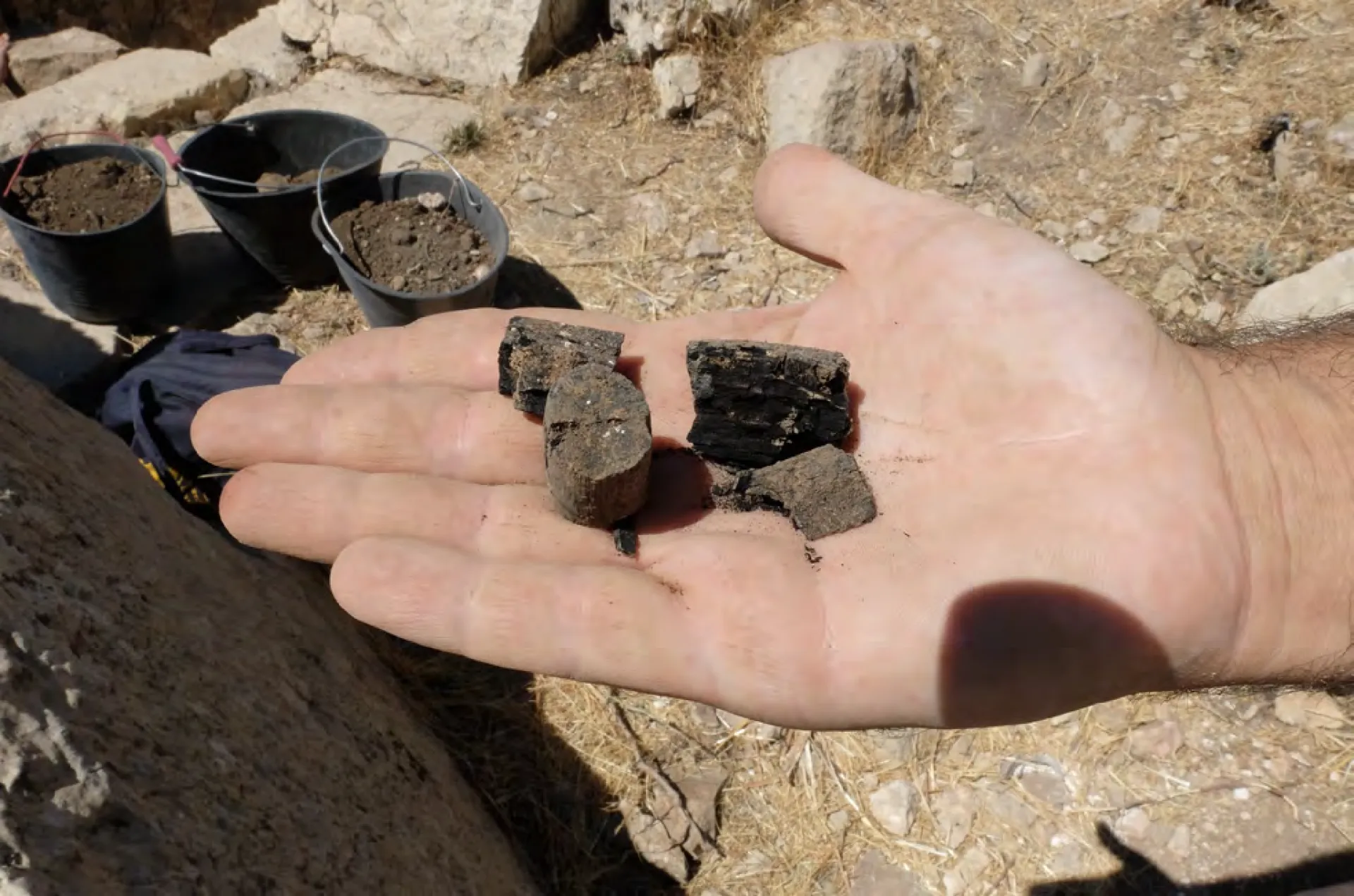
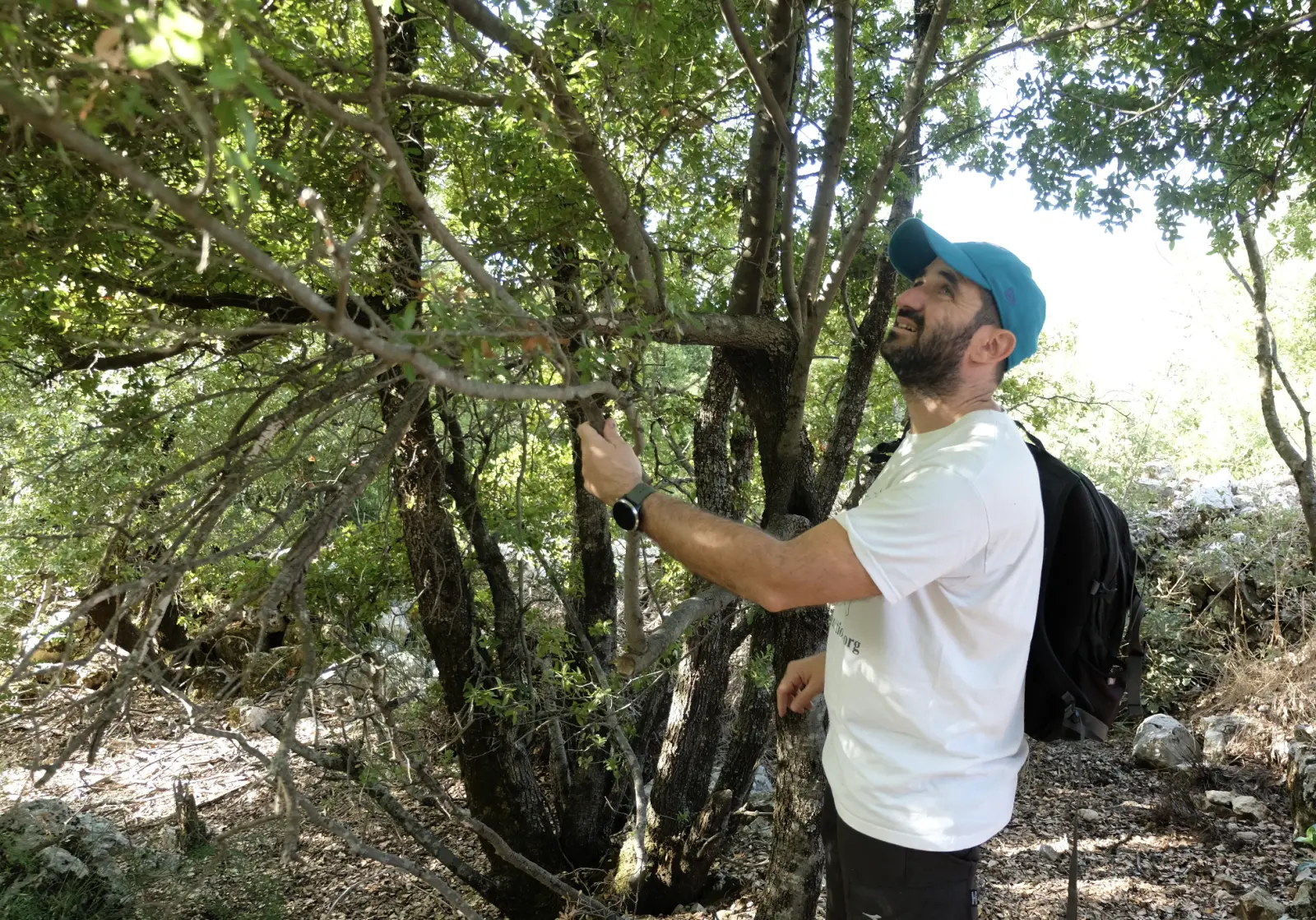
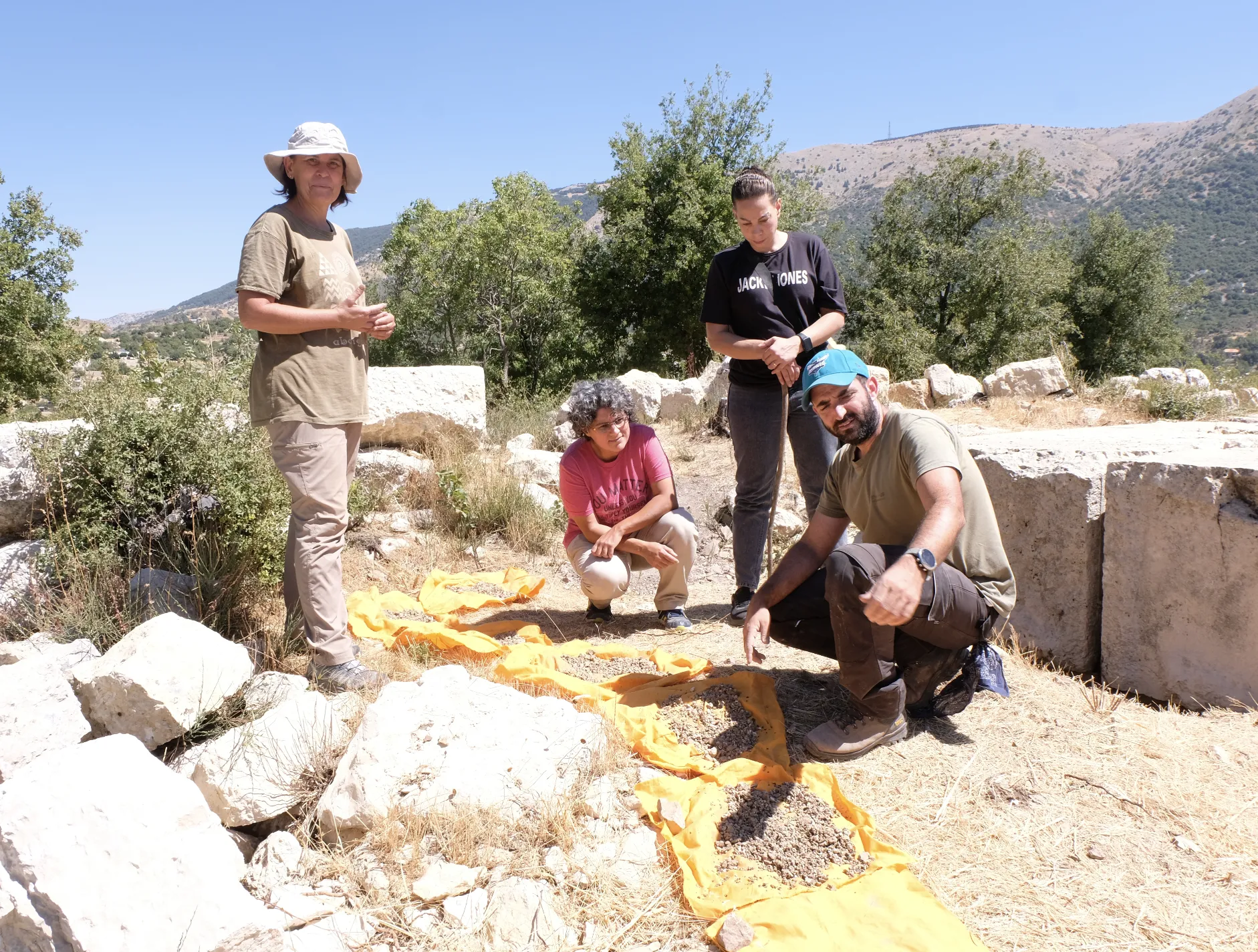
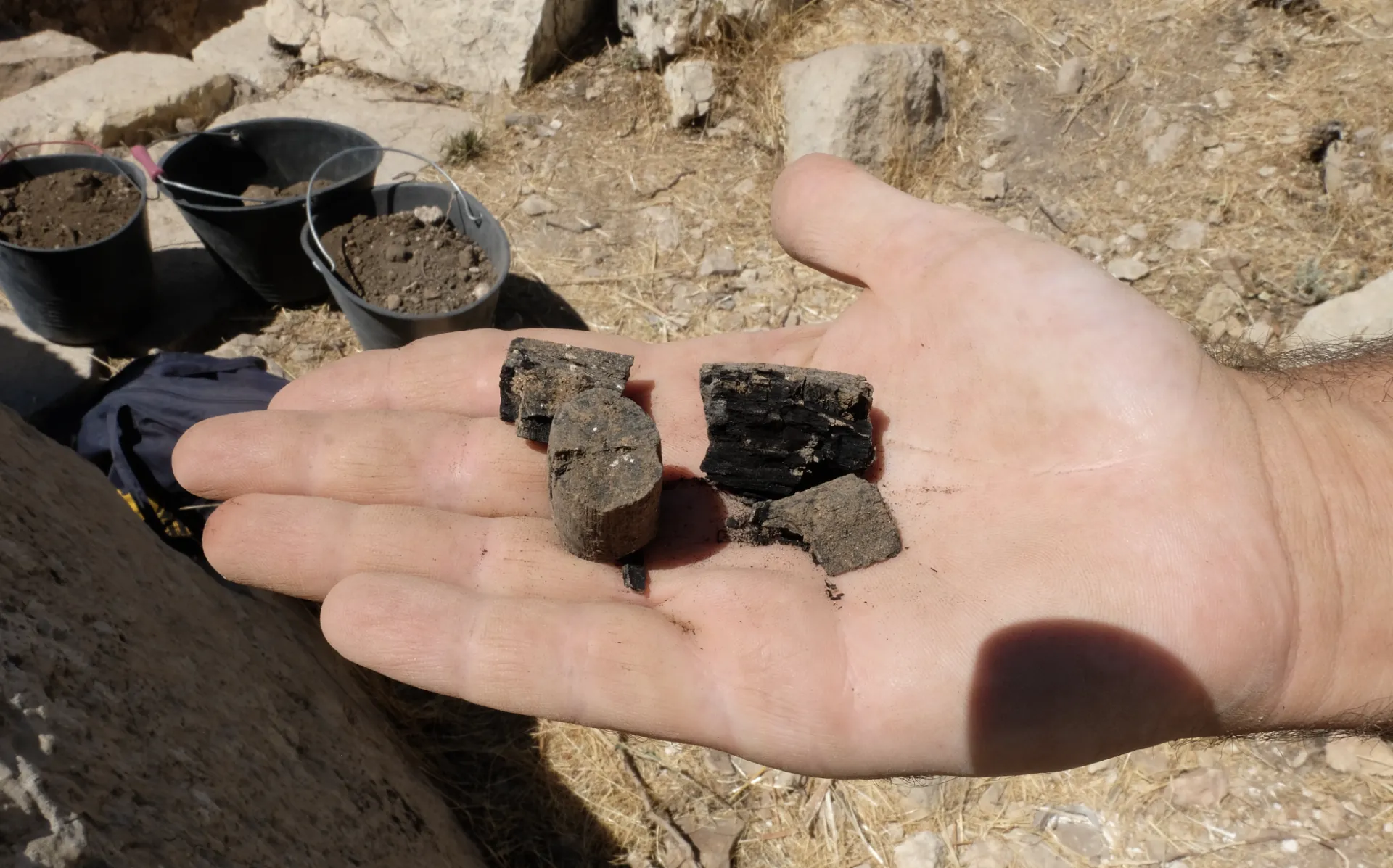
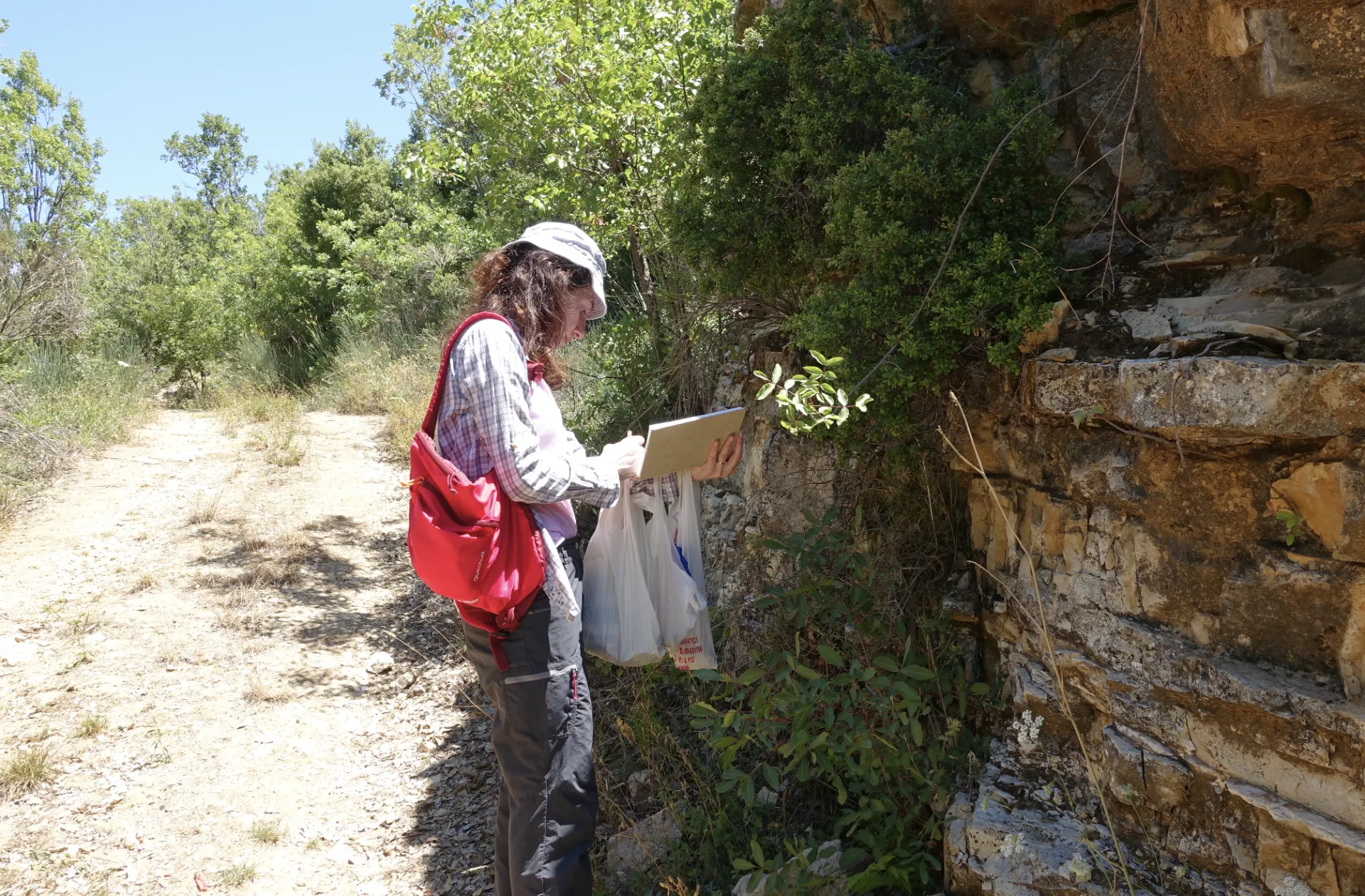
During the excavations at Qalaat el-Hosn, sediment sampling allowed the recovery of plant macroremains (seeds and charcoals) to reconstruct past environments and agricultural practices. The material was water-sieved (0.5-1 mm mesh). Wood from present-day species was georeferenced and sampled; it will be carbonized in the lab to create a reference anthracological collection.

Geological Activities

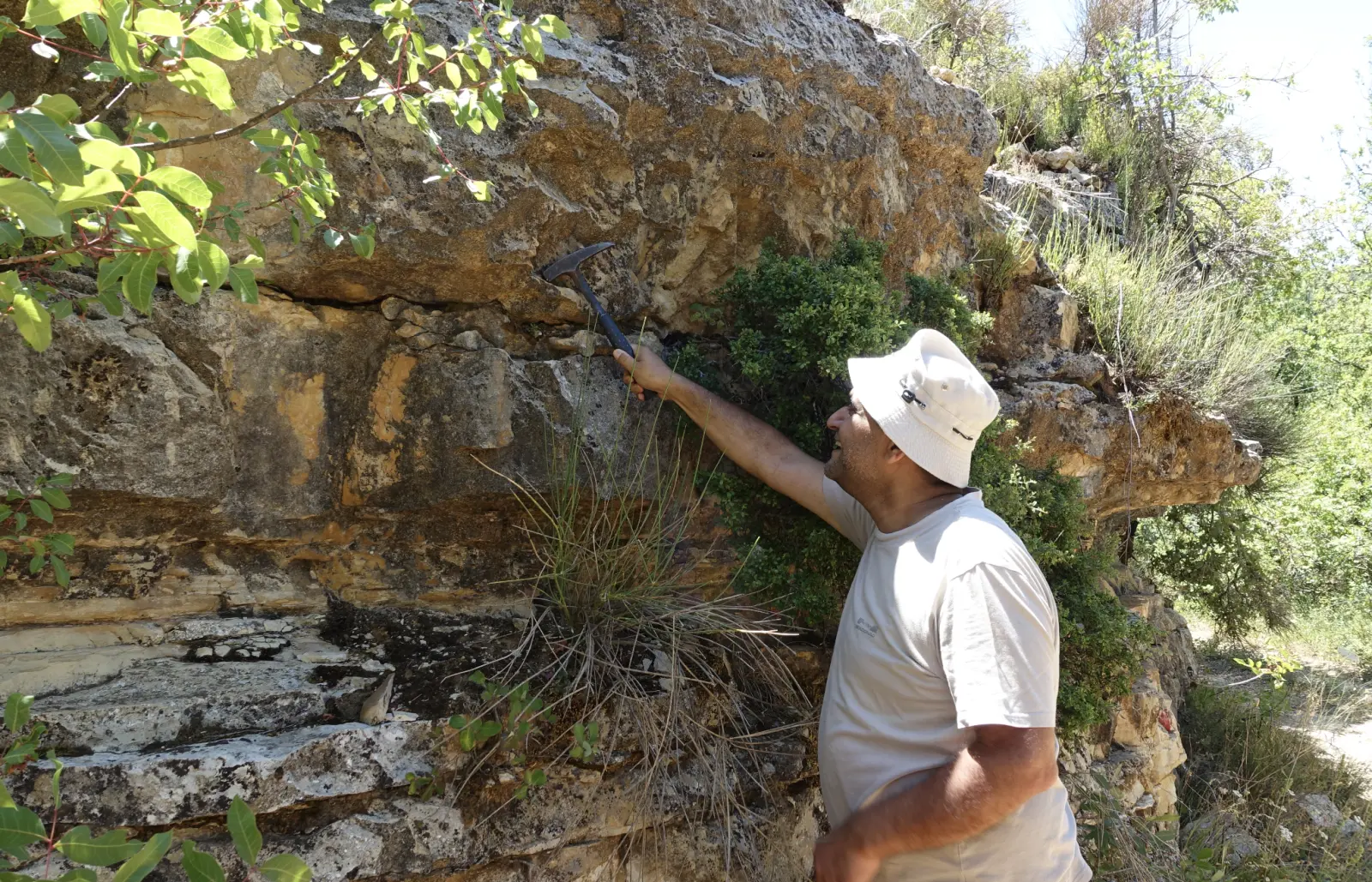
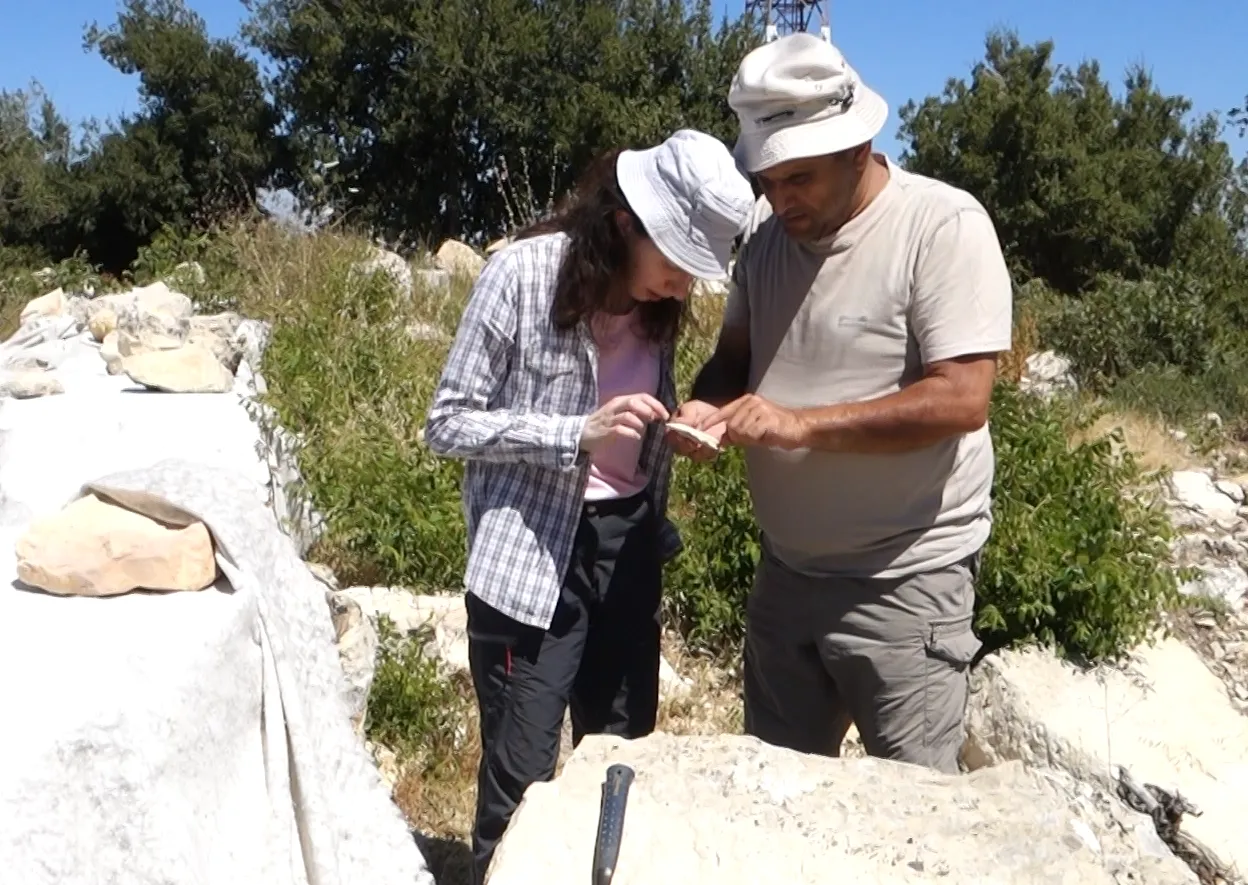
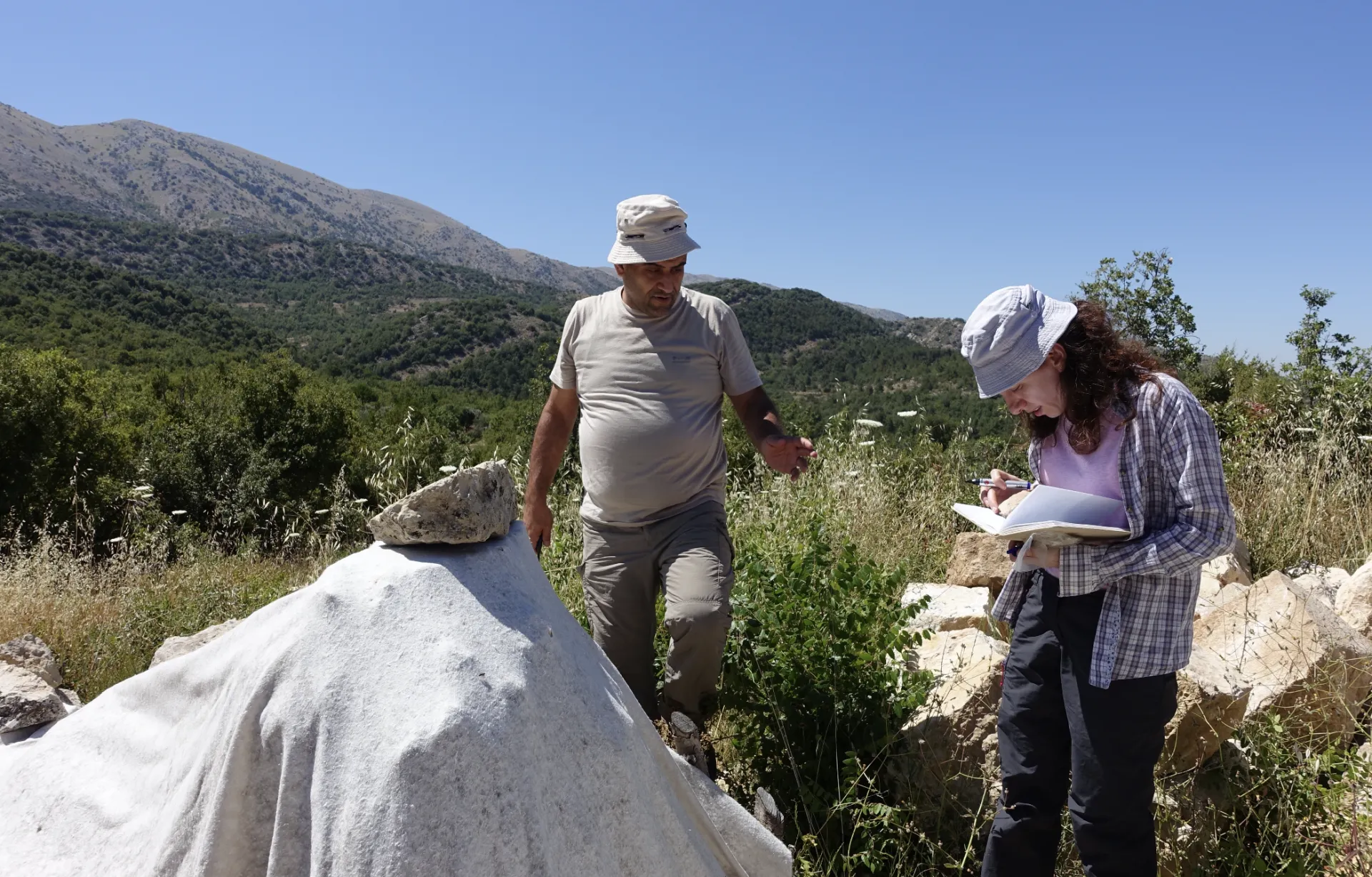
Temple architecture of Qalaat el-Hosn provides a privileged context for assessing whether the stones used were extracted from nearby geological outcrops or were instead sourced through broader and more complex supply networks. The aim of the geological activities in progress is to determine the provenance of the materials used in the construction of the temple and associated artefacts, thereby contributing to a clear er understanding of Roman strategies for the exploitation of lithic resources.

Paleontological Activities

The paleontological research carried out in Qalaat el-Hosn led to the discovery of Tridactyl dinosaur footprints from the Lower Cretaceous. Their form reflects the anatomy and the movement of the trackmaker, as well as the substrate properties. The prints may belong to one or two small bipedal dinosaurs—either a plant-eating ornithopod (Iguanodont?) or a meat-eating theropod (Acrocantosaurus). A possible trackway shows step lengths of 60–80 cm. The team also found fossilised Turritella shells in the same sedimentary layer.

Restoration & Maintenance

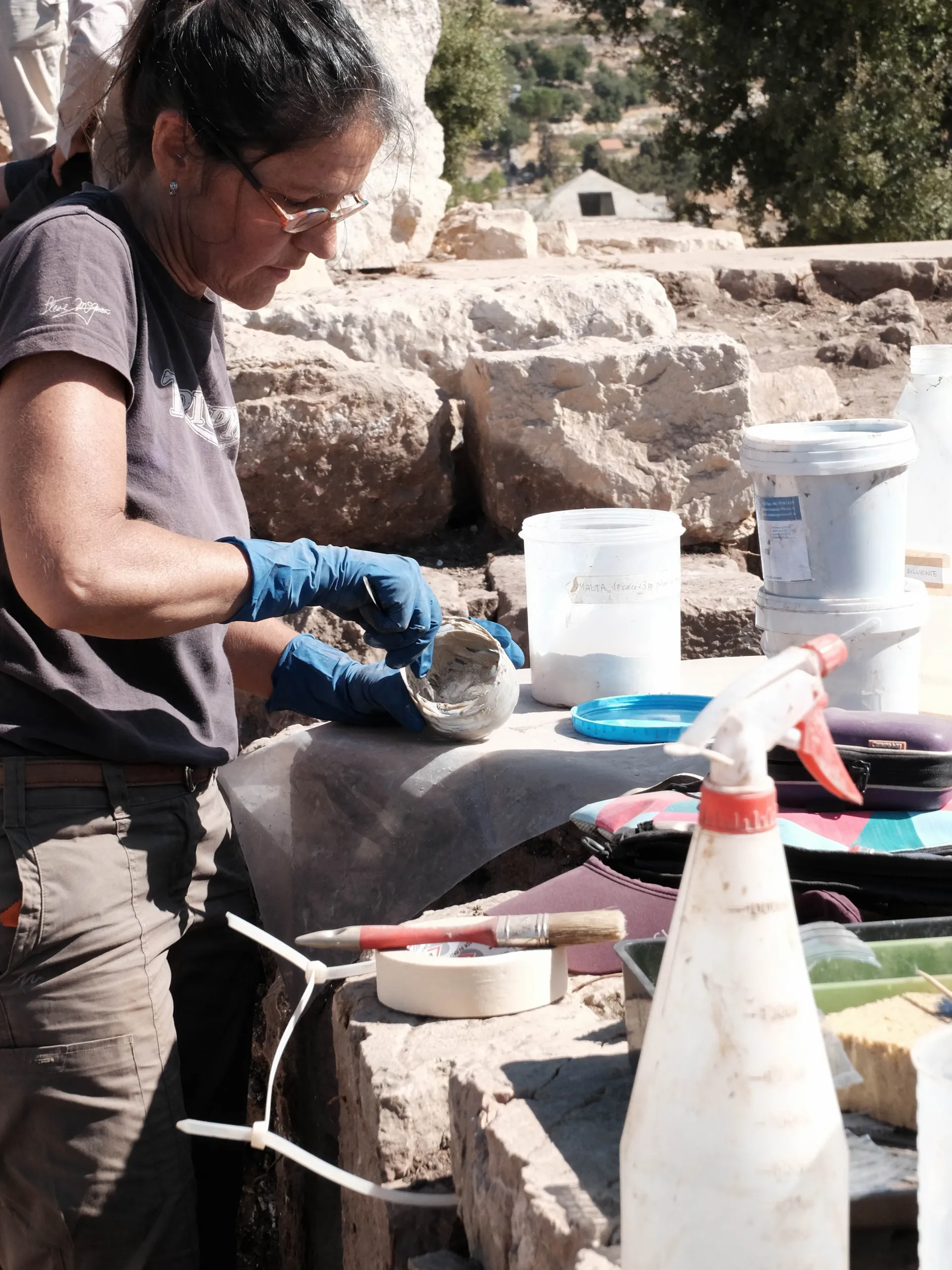
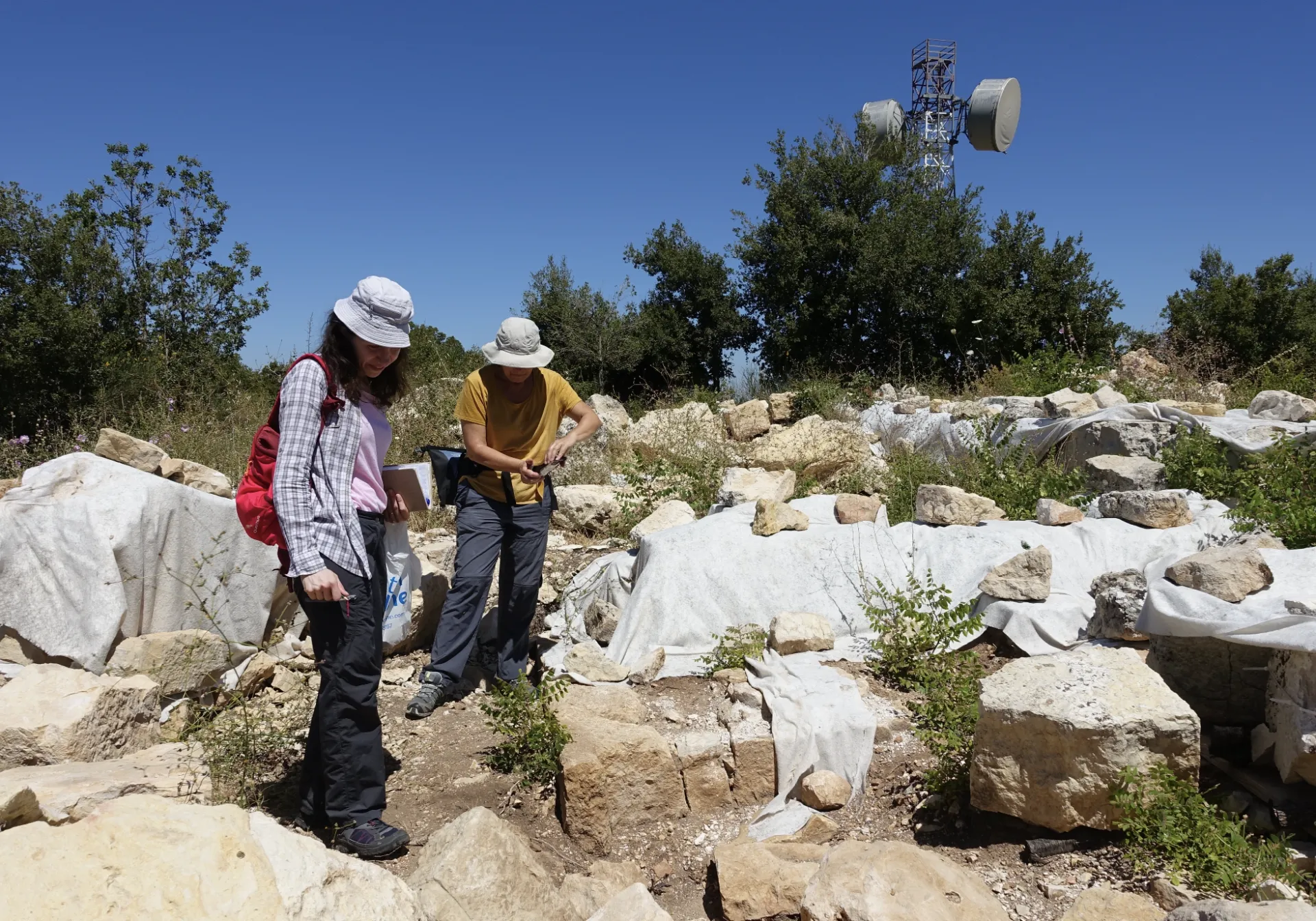
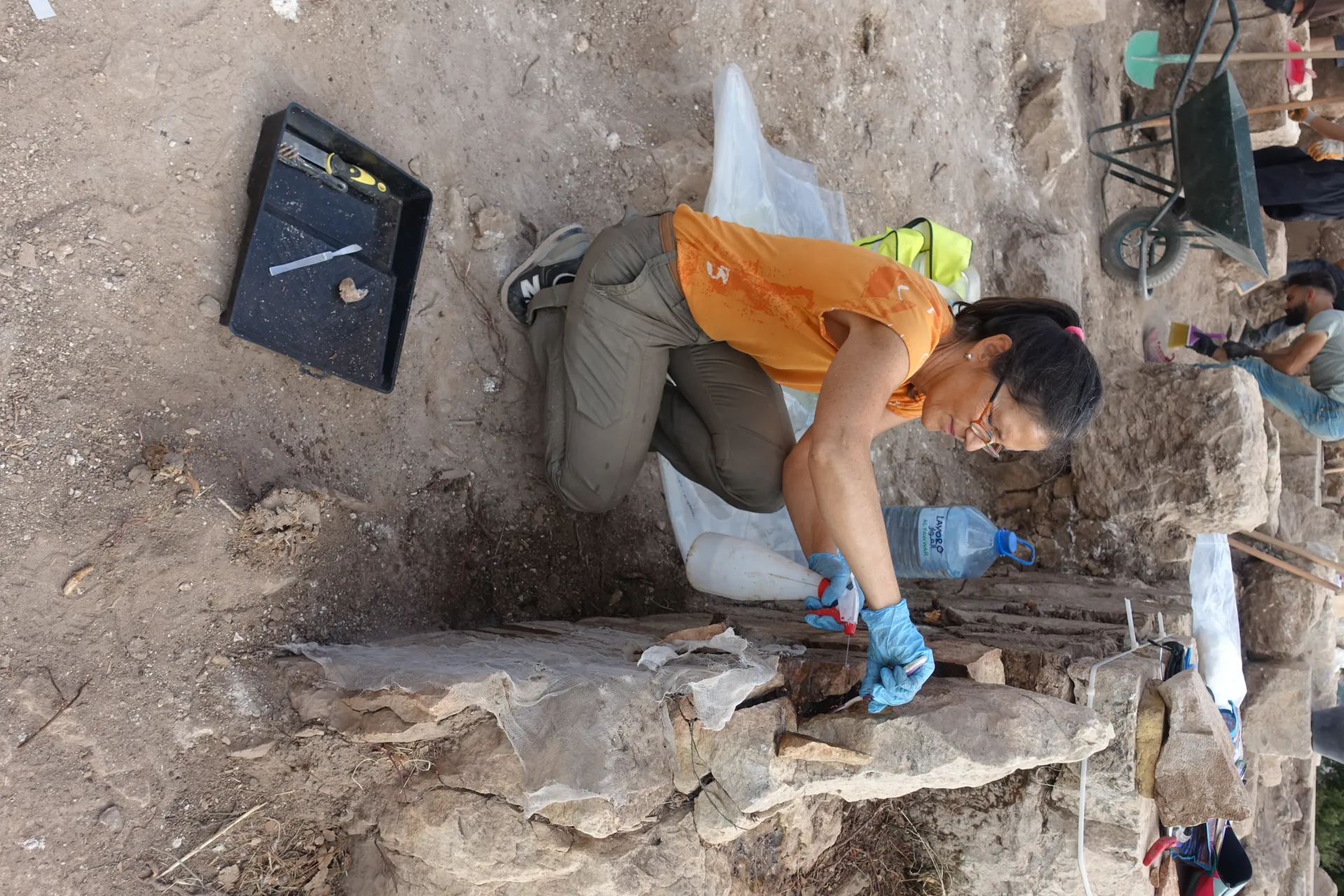
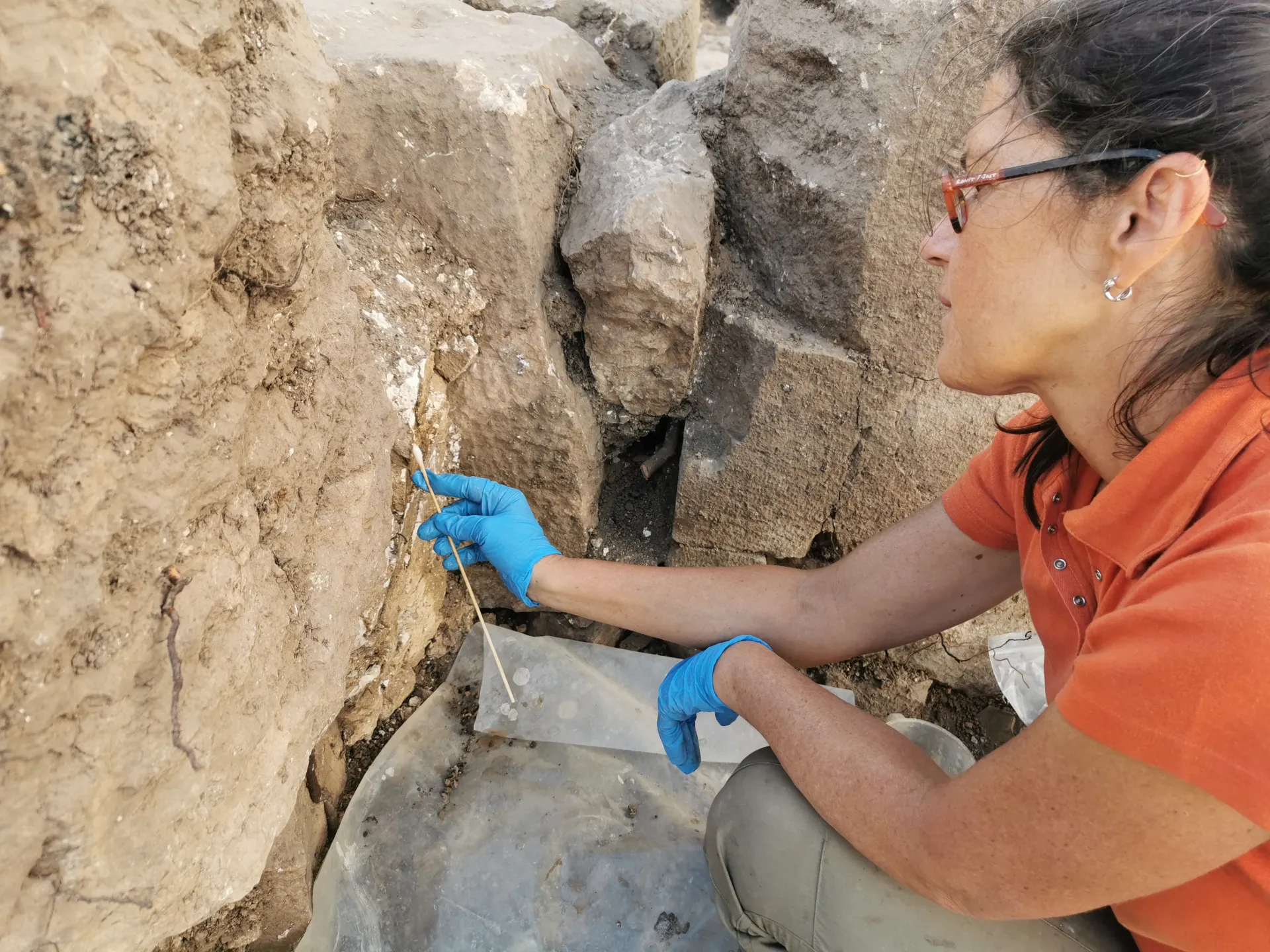
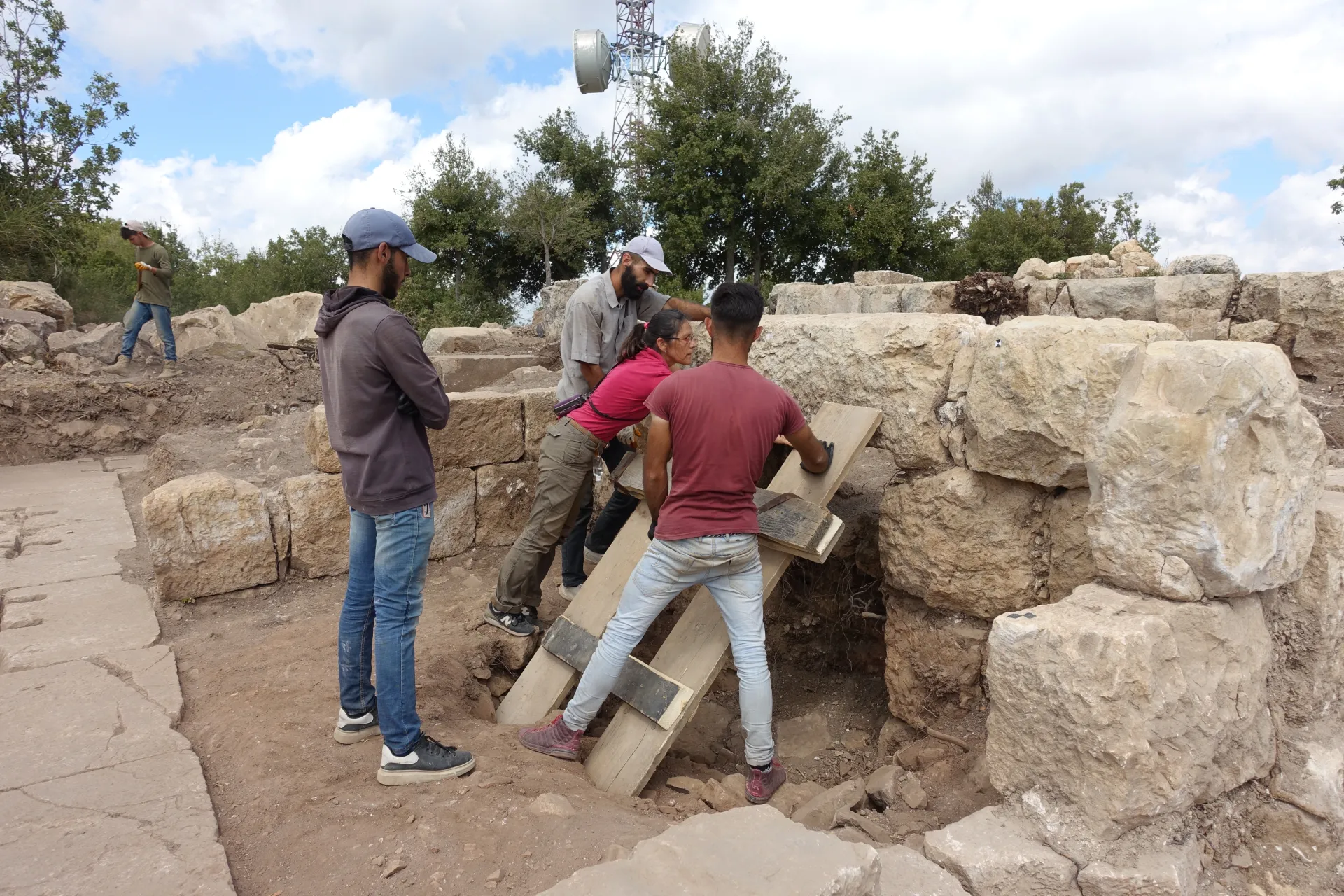
During the initial weeks of the project, dry cleaning, condition assessment, and preliminary studies for restoration and reconstruction were carried out. The visible blocks were carefully documented, highlighting structural damage, tool marks, and deterioration caused by vegetation and weathering. In preparation for future phases, mortar samples were collected, and fragments were positioned for reassembly. The goal is to preserve and enhance the structure's historical and archaeological value.
Pottery Activities in Beiteddine

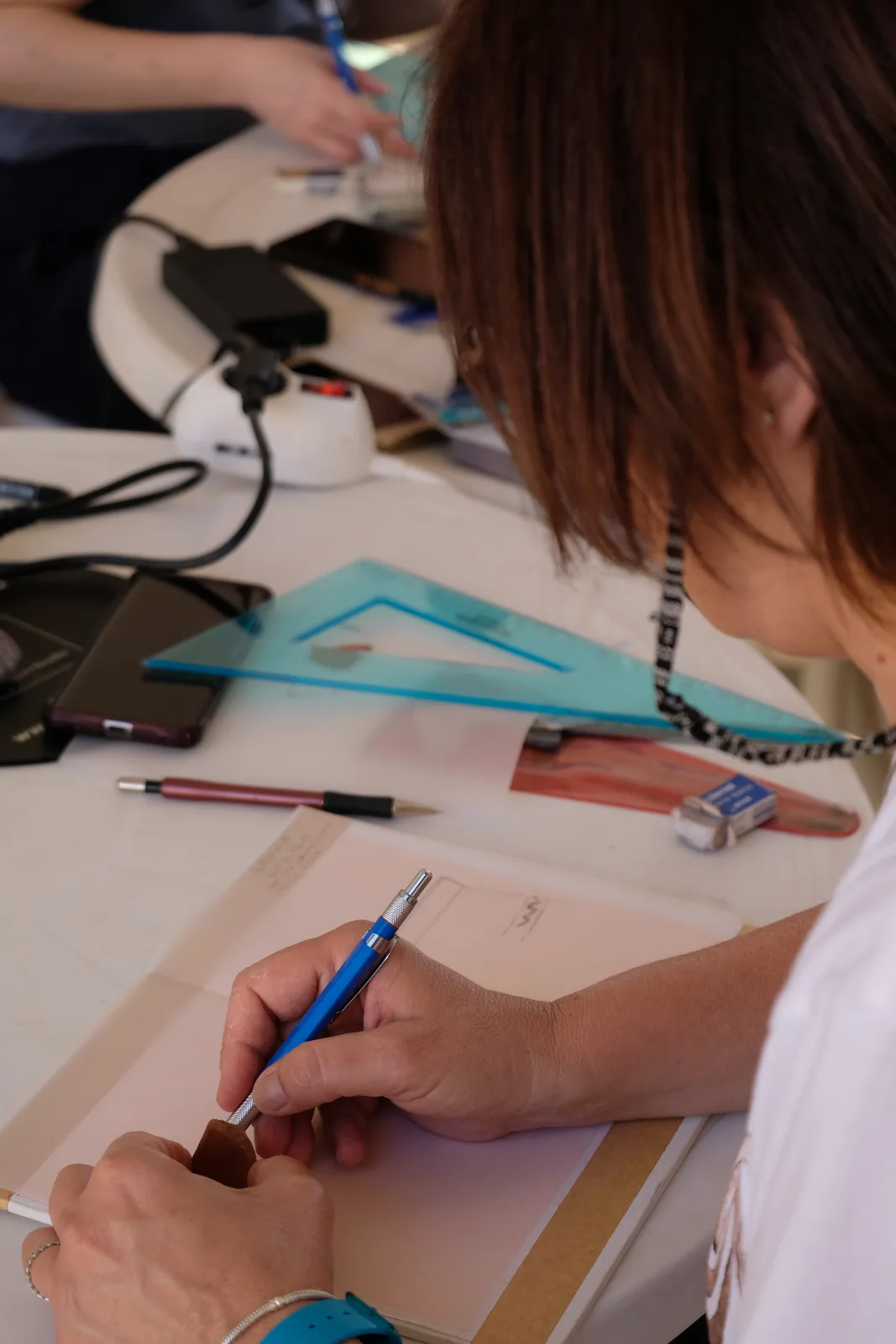
The research activities conducted at Beiteddine have enabled the accurate recording of the numerous ceramic finds unearthed during the excavation campaigns, as well as the systematic identification of diagnostic fragments, the technical design of the materials, and the selection and preparation of samples for further physical-chemical analyses of the clays.

Close-up of hands documenting a pottery sherd with technical drawing tools
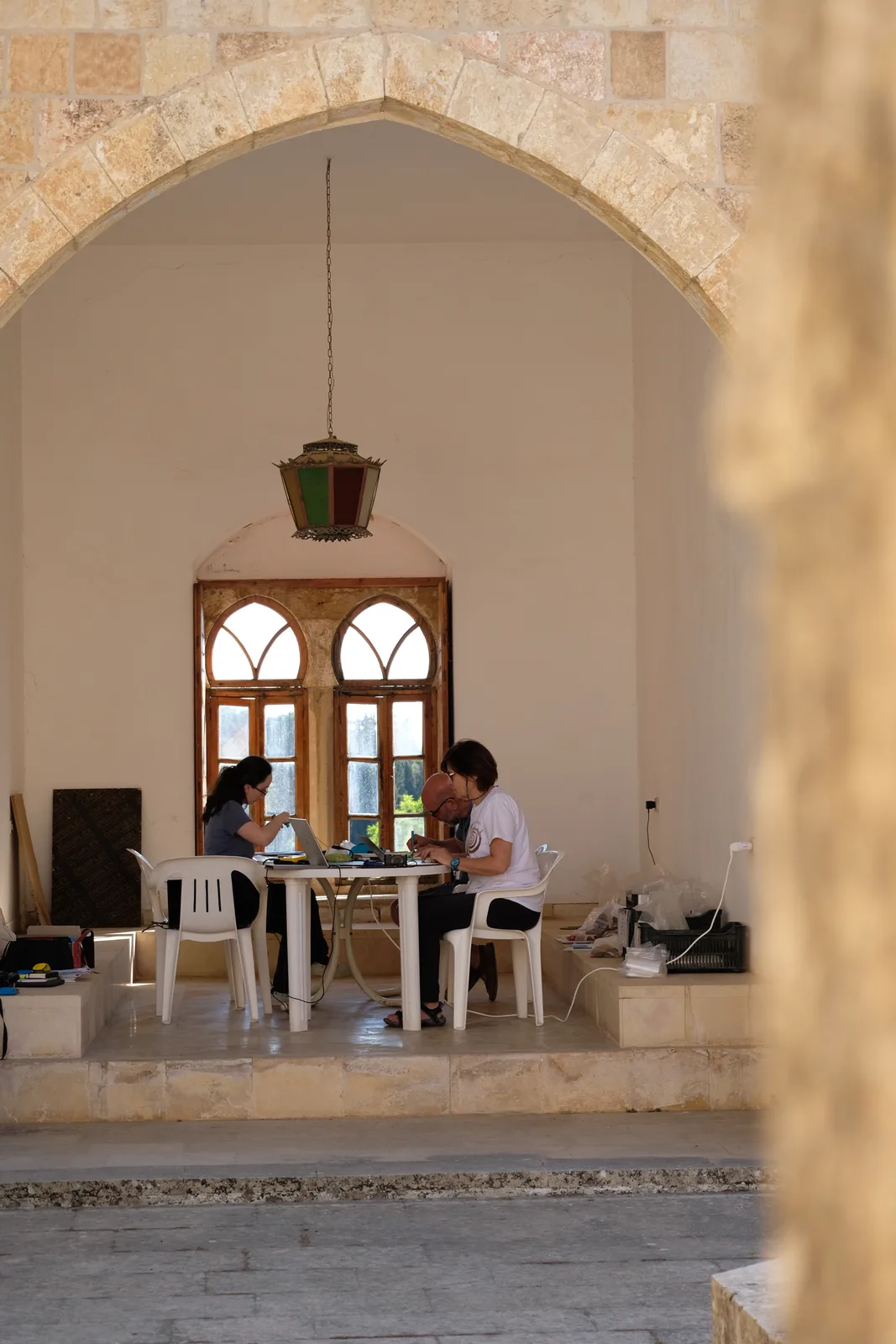
Pottery documentation workshop set up under the arched portico at Beiteddine palace
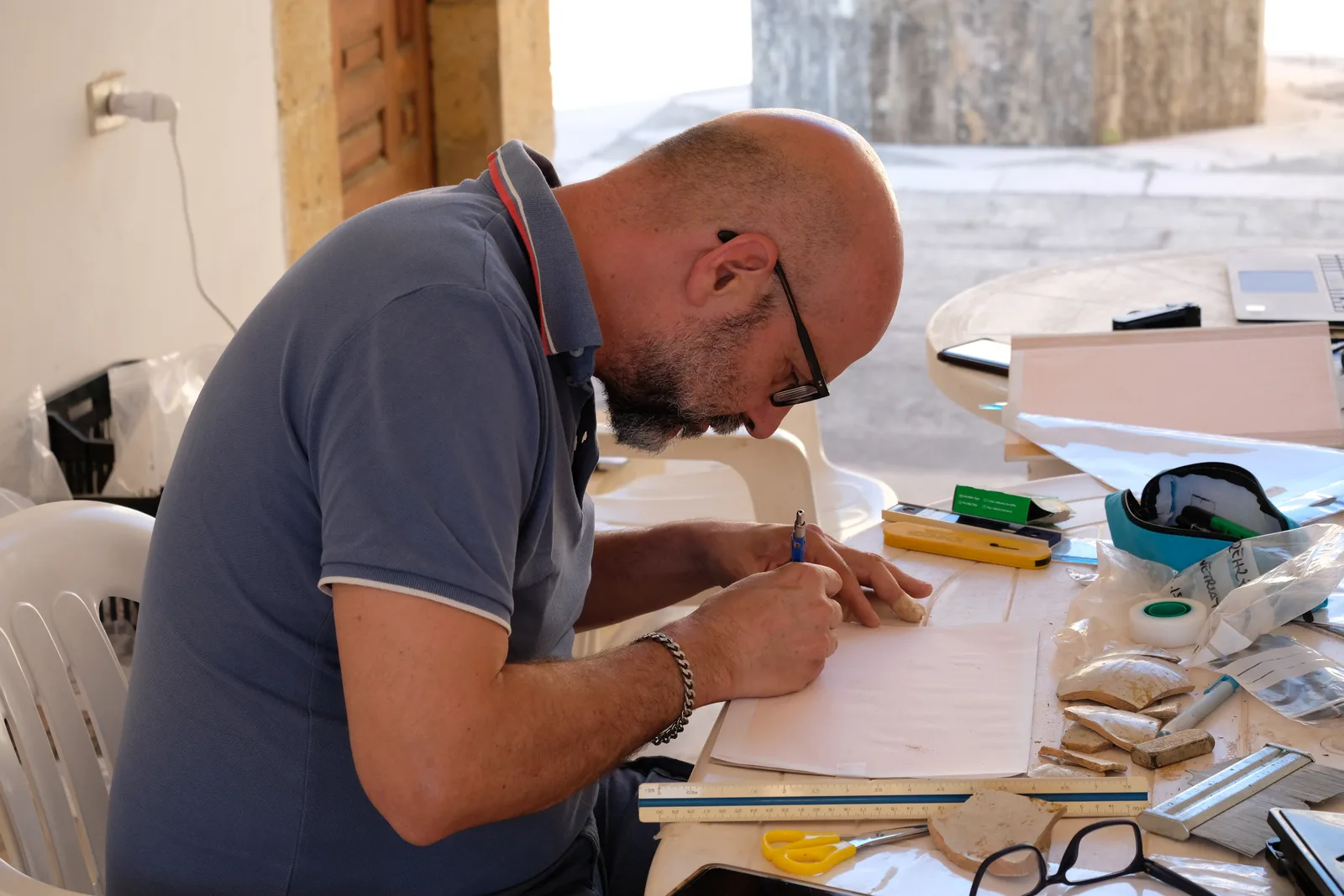
Archaeologist sketching a ceramic fragment at the field lab
Student drawing pottery finds on graph paper
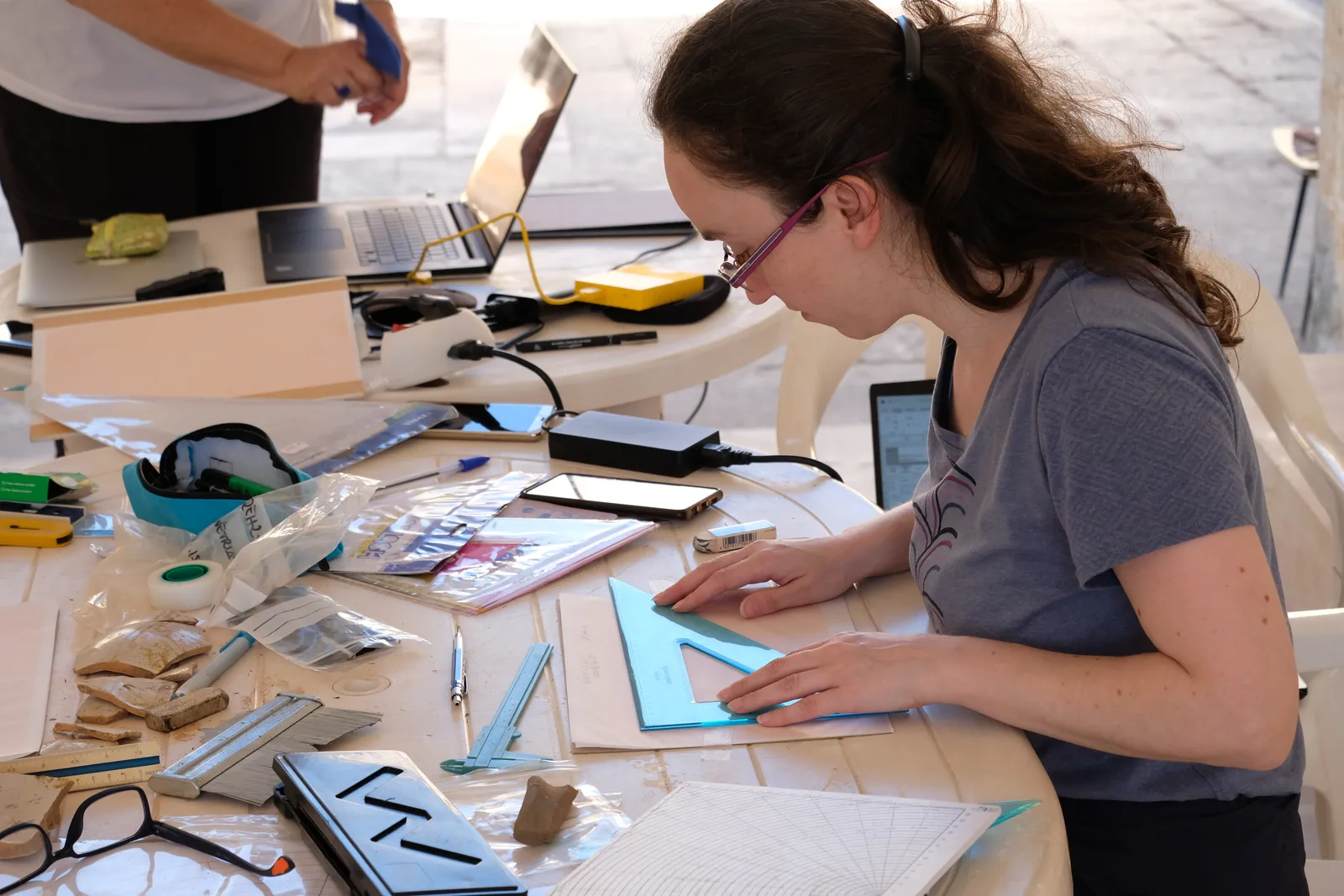
Researcher measuring a ceramic profile with a set square

Anthropological Activities

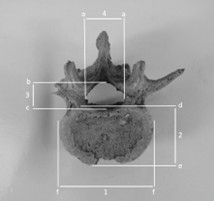
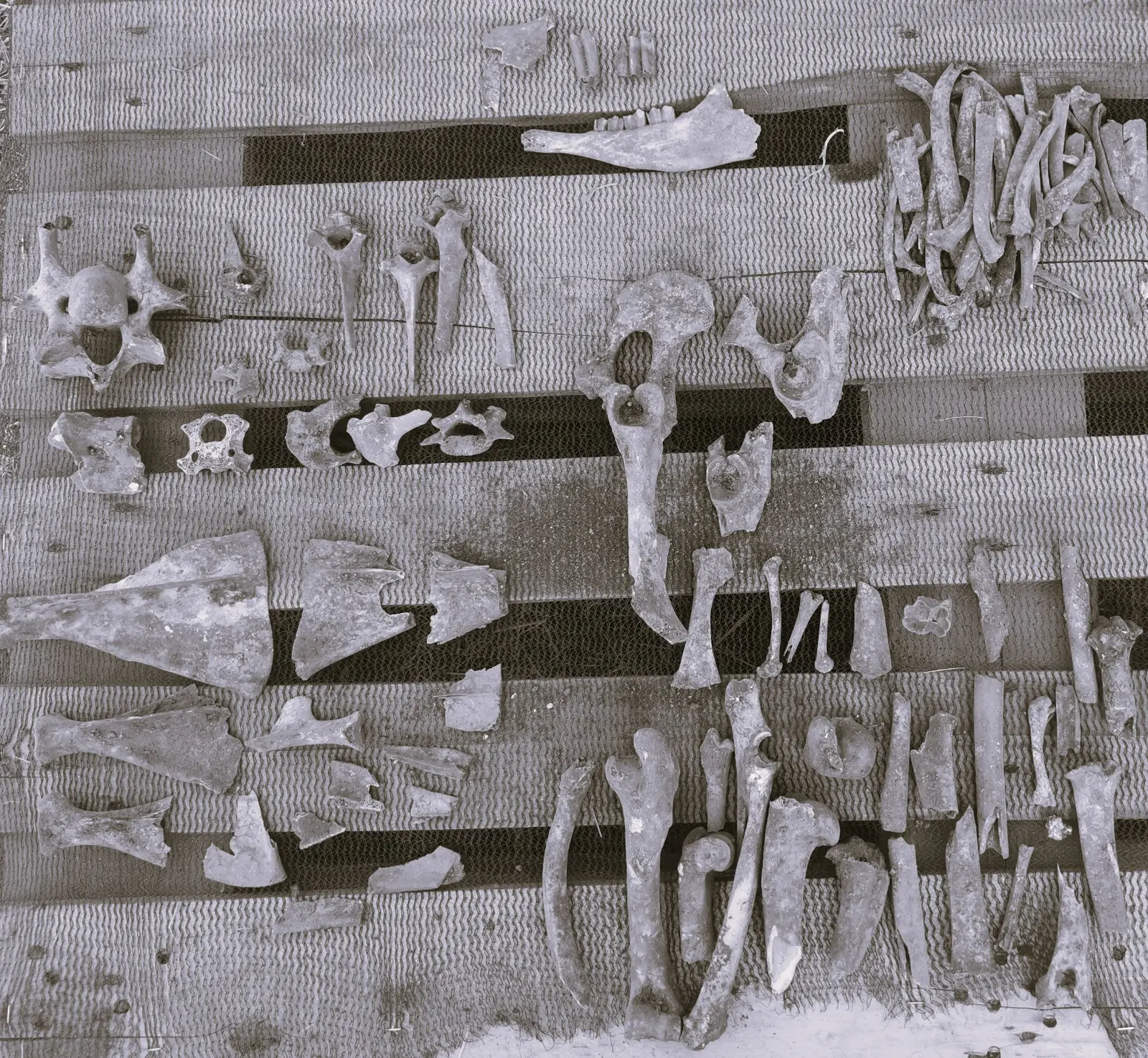
The discovery of human bone fragments in poor condition has sparked a compelling archaeological and bioanthropological investigation. Initial analyses identified several skeletal elements and revealed signs of damage caused by environmental factors, animal activity, and looting. Upcoming research will employ advanced technologies such as Micro-CT and electron microscopy to explore the internal structure of the remains, alongside mitochondrial DNA studies aimed at reconstructing the identity, relationships, and origins of the buried individuals.

Archaeozoological Activities

Archaeozoological research focuses on the study of animal remains found at archaeological sites, providing insights into past human-animal relationships, diet, domestication practices, and environmental conditions.

Archaeobotanical Laboratory Project

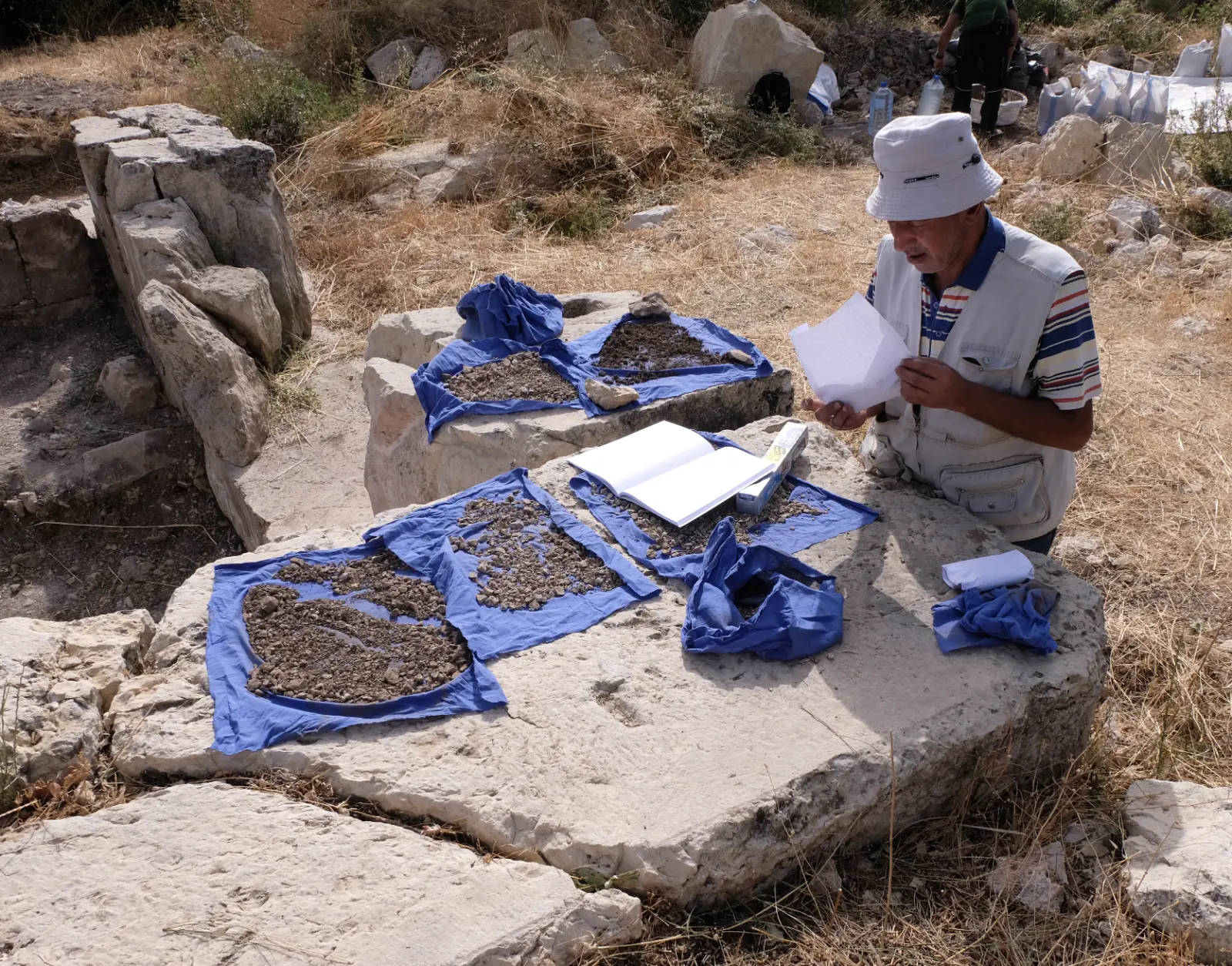
In 2023, sediment sampling was carried out at Qalaat el-Hosn to recover plant macroremains useful for paleoenvironmental reconstruction. The water sieving of sediments was partly conducted by Lebanese archaeology students, who performed bucket flotation in the field, a technique used for recovering plant macroremains. Subsequently, they carried out the sorting of archaeobotanical material, using a stereomicroscope to isolate the elements for identification.

Archaeologist examining archaeobotanical material under a stereomicroscope